Shared Ownership Mortgage Guide: What Banks Won’t Tell You About Getting Started
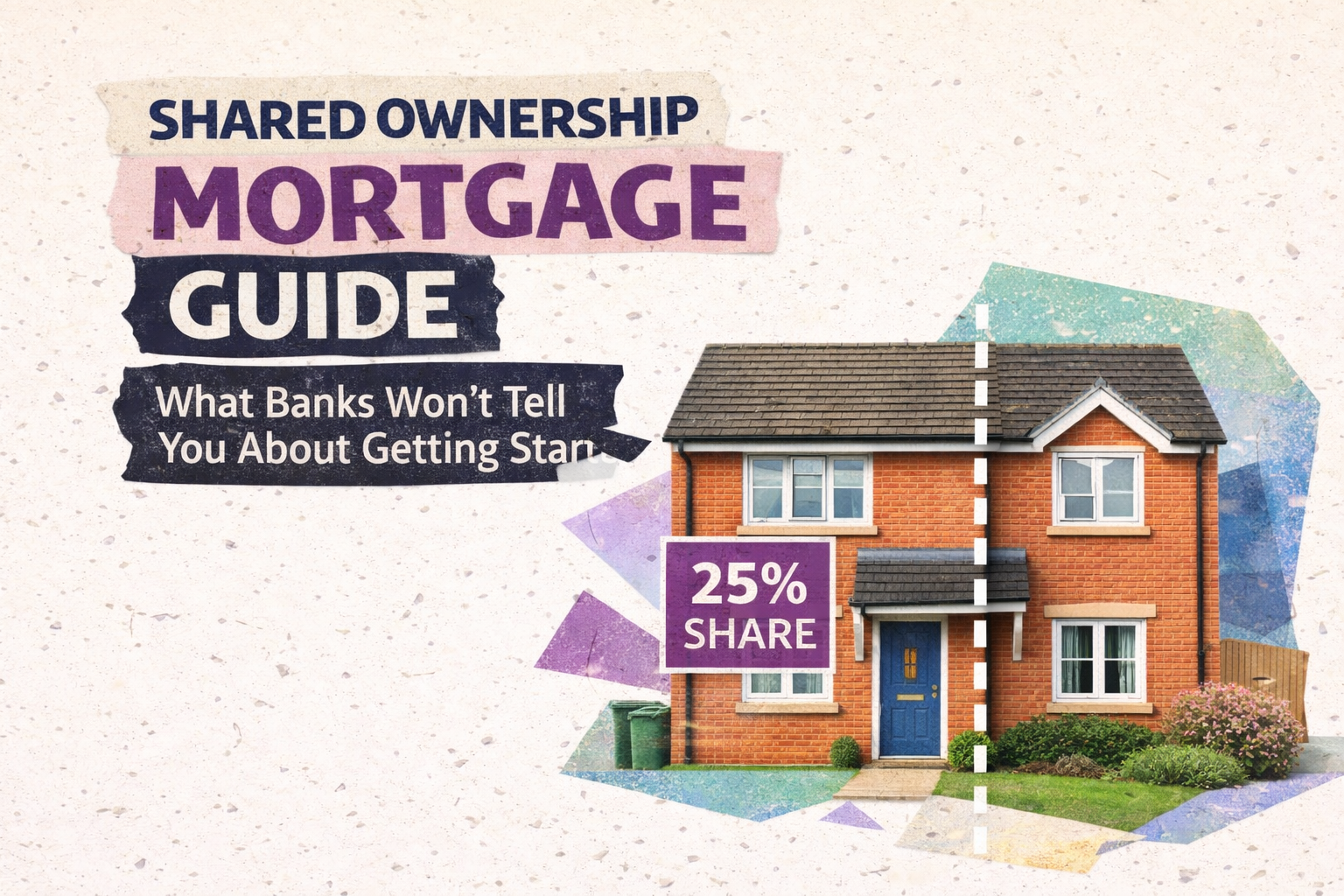

Shared ownership mortgages give you a different way to own a home when buying the whole property feels impossible. Property prices got you down? You can now buy just a part of your home—NatWest lets you start with as little as 25%. Your ownership grows through "staircasing" while you pay rent on the part that isn't yours yet.
The banks won’t tell you everything about these arrangements that shape your home-buying experience. NatWest and other shared ownership mortgage lenders make these options accessible only through mortgage brokers. These mortgages don’t work like regular ones. You can ask for extra borrowing after just six mortgage payments—a feature that sets them apart.
This piece breaks down shared ownership mortgages, their workings, and vital details that banks tend to skip. You’ll learn how to find the best shared ownership mortgage that fits your needs and protects your long-term financial health.
What is a shared ownership mortgage?
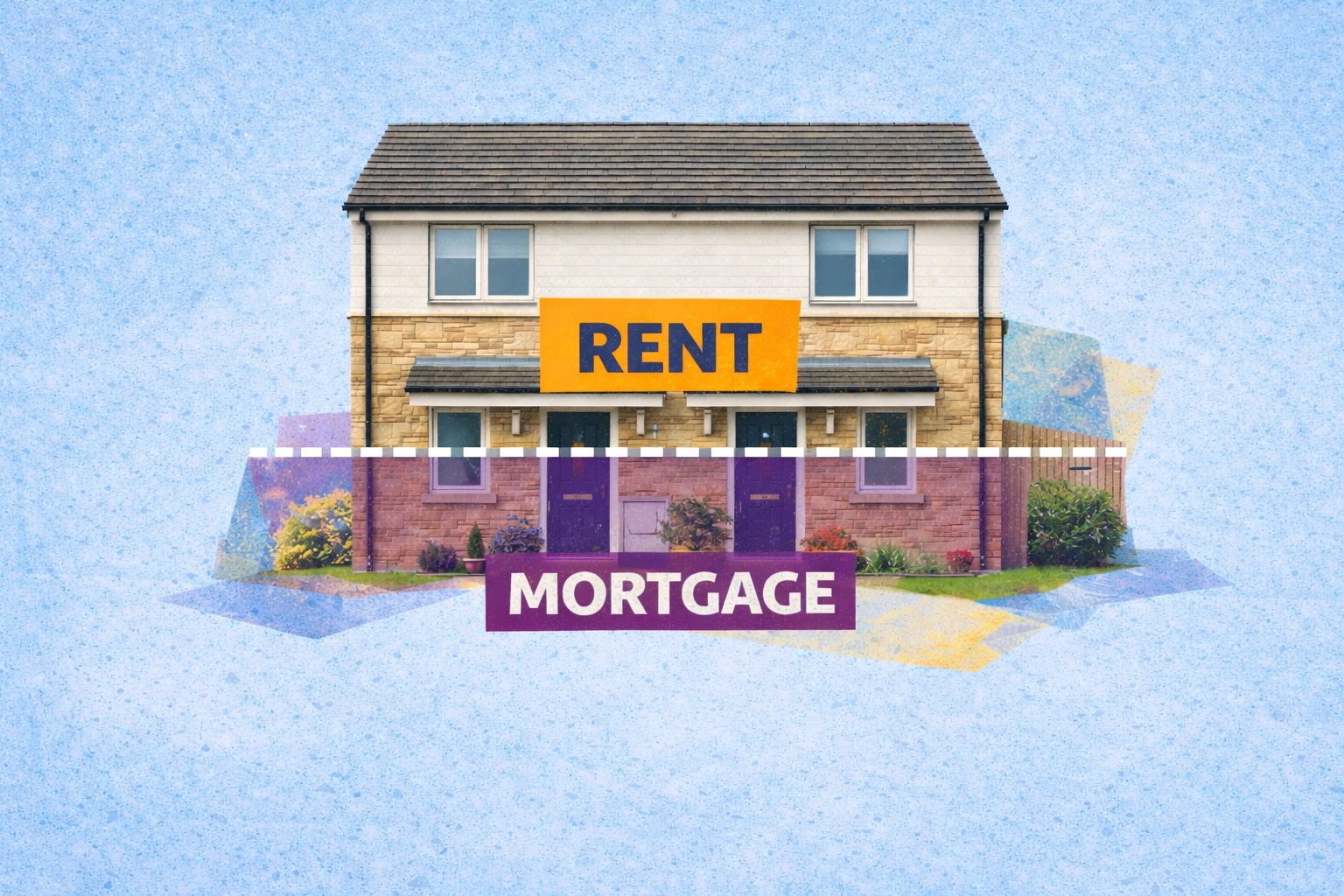
A shared ownership mortgage is a government-backed homeownership scheme that lets you buy just a portion of a property instead of the whole thing. You buy a share—usually between 25% and 75% of the home’s total value—and pay rent on what’s left.
This setup works differently from regular property purchases. You’ll deal with three parties: yourself as the buyer, a mortgage lender, and a landlord (usually a housing association, local authority, or private provider) who owns the rest of the property.
How it is different from traditional mortgages
The biggest difference lies in buying just a piece of the property. Let’s say you wanted to buy a £200,000 home. With a 50% share, you’d need £100,000 from your deposit and mortgage combined. You’d then pay rent on the other £100,000 share you don’t own.
Getting started is easier because deposits are more available—you only need 5-10% of your share’s value, not the full property price. Here’s how it works: a £200,000 home with a 25% stake (£50,000) might need just a £5,000 deposit, with a mortgage covering the remaining £45,000.
Your monthly costs include both mortgage payments and rent. The rent runs about 2.75% of the value of the share you don’t own each year. You might also need to pay ground rent and service charges, especially when you have shared spaces to maintain.
There’s another reason this setup stands out—even though you own just a portion, you’re still responsible for all repairs. Some limits also apply to:
- Property modifications
- Renting out the home
- The types of improvements you can make without permission
Who shared ownership is designed for
The scheme helps people who can’t buy a suitable home outright. Your household income must stay under £80,000 yearly (£90,000 in London) to qualify.
This works best for:
- First-time buyers who find it hard to get on the property ladder
- Previous homeowners who can’t afford to buy now
- People starting fresh (after relationships end)
- Current shared owners looking to move
- Homeowners who need to relocate but can’t afford a suitable property
The scheme offers special versions too. The Older Persons Shared Ownership (OPSO) scheme helps those 55 or older buy up to 75% of a property without paying rent on the remaining 25%.
You need to be at least 18 years old with good credit history and prove you can handle the regular payments and costs. Some areas give priority to local residents or workers.
This path to homeownership works through manageable steps, making it perfect for anyone who finds regular mortgages too expensive.
How does a shared ownership mortgage work?
The structure of shared ownership mortgages is different from regular property purchases. You start by buying just a portion of a property and pay rent on the rest.
Buying a share and paying rent
After purchasing your original share (usually 25-75%), you pay rent on the portion you don’t own. The rent typically runs about 2.75-3% of the landlord’s share value. Let’s say you own 40% of a £400,000 property – you would pay around £550 monthly in rent on the remaining 60% (£240,000).
Your landlord reviews the rent each year and can raise it according to your lease terms. Your lease date determines the rent increase cap:
- Retail Prices Index (RPI) plus 0.5% for leases before 12 October 2023
- Either RPI plus 0.5% or Consumer Prices Index (CPI) plus 1% for leases after 12 October 2023
You’ll also need money for monthly mortgage payments, service charges, and possibly ground rent.
Staircasing: increasing your ownership
Your property’s ownership can grow as your finances improve through “staircasing“. Here are your options to increase ownership:
Gradual staircasing lets you buy 1% more each year for the first 15 years. The price reflects the original property value adjusted by the House Price Index, without any administration fee.
Standard staircasing allows you to buy bigger portions (usually 5% or more) anytime. This option requires a Royal Institution of Chartered Surveyors (RICS) valuation to set the current market price for additional shares. The housing provider might charge an administration fee between £150 and £500 for each standard staircasing transaction.
The price of additional shares will reflect your property’s “unimproved value” if you’ve made landlord-approved improvements.
Selling a shared ownership property
Your ownership percentage determines the selling process.
Owning 100% of the property means you can sell through an estate agent on the open market. Partial ownership requires you to notify your landlord first. They get a “nomination period” (usually 4, 8, or 12 weeks) to find someone to buy your share.
A RICS valuation sets the selling price, and you’ll need to pay for this. Your share won’t sell for more than its current market value if your landlord finds a buyer during the nomination period.
You can sell your share on the open market if your landlord doesn’t find a buyer in time. Properties with a “designated protected area – mandatory buyback” lease work differently. The landlord will buy the home or find another buyer.
The selling process comes with several costs: valuation fees, landlord’s administrative charges, legal fees, and an Energy Performance Certificate.
Who qualifies for a shared ownership mortgage?
You need to meet specific criteria to get a shared ownership mortgage. This alternative path to homeownership isn’t available to everyone.
Income and deposit requirements
The government sets clear income limits for shared ownership applicants. Your household income can’t go over £80,000 a year, or £90,000 if you’re buying in London. These limits apply whether you apply alone or with someone else.
You’ll need between 5% and 10% of the share value as deposit. To cite an instance, buying a 25% share (£75,000) of a £300,000 property means a 10% deposit of £7,500. Most people start by buying a 20-30% share of the property.
You should have extra money (about £3,000) ready for legal fees and moving costs. On top of that, your total housing costs—mortgage payments, rent, and service charges—should stay under 45% of your net monthly household income.
Property types and locations
You can get shared ownership on:
- New-build homes
- Existing properties through shared ownership resale programmes
- Specialist homes that meet specific needs (such as ground-floor flats for people with long-term disabilities)
People aged 55 or over might qualify for Older Persons Shared Ownership (OPSO). This lets you buy up to 75% with no rent on the remaining portion.
Some developments give priority to local residents or workers. You might need to prove your local connection during the application.
Credit score and affordability checks
Lenders and housing associations will definitely look at your credit history, even though there’s no specific credit score requirement. You need a good credit record without bad debts or County Court Judgements (CCJs).
You’ll go through two main financial checks before approval:
- A mortgage application check by the lender
- A tenancy check by the housing association
These checks need documents like three months of payslips, bank statements, and proof of deposit funds. Self-employed applicants usually need three years of accounts.
The scheme welcomes several groups, not just first-time buyers:
- First-time buyers
- Previous homeowners who can’t afford a suitable property now
- People forming new households after relationship breakdowns
- Existing shared owners looking to move
- Current homeowners who need to relocate
Shared ownership could work well for you if buying a home outright seems out of reach—as long as you meet these requirements.
What banks won't tell you about shared ownership
The attractive facade of shared ownership schemes hides several realities that mortgage lenders keep quiet about. These details can affect your experience by a lot as a shared owner.
Hidden costs and fees
The mortgage payments and rent are just the beginning of your financial commitments with shared ownership. Service charges increase yearly, sometimes faster than inflation rates. Most shared owners pay between £1,200 and £2,400 each year just for service charges.
You’ll need to handle all repairs yourself, even if you own just 25% of the property. The valuation fee is another cost that catches people off guard. You’ll need to pay £300-£500 each time you want to staircase or sell.
Limitations on property modifications
Your mortgage payments don’t give you complete freedom over your home. The housing association must approve any major changes in writing. This includes kitchen renovations or new extensions. They often say no to structural changes that could change the property’s value.
Restrictions on subletting or renting out
Most shared ownership leases don’t allow subletting. This becomes a problem if you need to move for work or family reasons. Housing associations might allow it in special cases, but they usually charge high fees and limit how long you can sublet.
Challenges with staircasing
Staircasing looks simple but gets complicated quickly. You must pay for professional valuation, legal fees, and mortgage arrangement fees every time you want to increase your share. These costs add up to £2,000-£3,000 per staircasing transaction. This makes small increases in ownership too expensive for most people.
Impact on resale value
Selling a shared ownership property brings its own headaches. The housing association gets first pick of buyers for 8-12 weeks. If they can’t find someone, selling on the open market becomes tough because:
- Only eligible buyers can purchase
- Mortgage rates are higher for shared ownership
- Older shared ownership properties might struggle to get mortgages
The property’s value might not grow as fast as regular market properties. This leads to lower returns when you decide to sell.
How to get a shared ownership mortgage
Getting a shared ownership mortgage needs a step-by-step approach. The process is different from standard mortgages. You’ll find fewer lenders offering these products and they require extra eligibility checks.
Getting a mortgage in principle
Your first step should be getting a mortgage in principle (MIP). This official estimate from a lender shows what they might lend you based on your financial situation. A MIP proves you’re financially ready and usually stays valid for 60-90 days. Lenders will assess your income, outgoings, deposit, and credit history to check if you qualify.
Choosing the right shared ownership mortgage broker
A specialist broker plays a crucial role because shared ownership mortgages have more complexity than standard loans. Professional brokers who specialise in shared ownership bring several advantages:
- They can access all eligible lenders and often get exclusive deals you won’t find directly
- They understand specific underwriting criteria for this niche market
- They know how to find the most suitable product for your situation
- They can speed up the application process and save you money
Comparing shared ownership mortgage lenders
Several major institutions offer these specialised mortgages. Barclays, Halifax, Leeds Building Society, Lloyds, Nationwide, and Santander lead the pack. You might find building societies more flexible with their criteria than traditional banks. The market has limited options compared to standard mortgages since not all lenders offer shared ownership products.
Understanding shared ownership mortgage rates
Expect higher rates with shared ownership mortgages compared to standard ones. This happens because fewer lenders compete in this market. Most shared ownership mortgages come with fixed interest rates for the first two to five years. A larger deposit can help you secure better rates, just like conventional mortgages.
Conclusion
Shared ownership mortgages are a great way to get into property ownership when traditional routes feel out of reach. This piece shows how buyers can purchase a share of a property and pay rent on the remaining portion. The scheme makes home ownership available with smaller deposits and lower income needs.
The real-life experience of shared ownership needs careful thought. Service charges can keep rising, and you’re responsible for repairs even with partial ownership. The rules about making changes to your property can be restrictive. Staircasing looks good on paper, but the high fees make buying more shares less practical than you might expect.
Your finances need a full picture before you jump in. The starting costs look good, but you must factor in mortgage payments, rent, service charges, and staircasing costs that match your long-term money goals.
Shared ownership remains valuable for first-time buyers who can’t afford full property ownership, even with its limits. Working with specialist brokers who know these deals inside out will help you navigate the process better.
The scheme helps many people bridge the gap between renting and buying. Of course, knowing the benefits and restrictions upfront will save you from surprises down the road. While shared ownership isn’t perfect for everyone, it can be your first step toward full homeownership if you start with realistic expectations and proper planning.
Key Takeaways
Shared ownership mortgages offer an alternative path to homeownership, but come with hidden complexities that banks rarely discuss upfront. Here are the essential insights every potential buyer should know:
- You only need 5-10% deposit of your share’s value, not the full property price – making homeownership accessible with smaller upfront costs than traditional mortgages.
- Monthly costs include both mortgage payments and rent – typically 2.75% annually on the portion you don’t own, plus service charges and repair responsibilities.
- Hidden costs can reach £2,000-£3,000 per staircasing transaction – including valuation fees, legal costs, and administration charges that make increasing ownership expensive.
- Property modifications require housing association permission – severely limiting your freedom to alter your home despite paying a mortgage.
- Selling is restricted with housing associations having first refusal rights – potentially limiting your buyer pool and affecting resale value compared to open market properties.
- Work with specialist brokers who understand shared ownership complexities – as fewer lenders offer these products and eligibility criteria differ significantly from standard mortgages.
Whilst shared ownership can bridge the affordability gap for many first-time buyers, understanding these limitations beforehand prevents costly surprises and ensures realistic expectations about your homeownership journey.