

Bad Credit Score? Here’s How to Still Get Your Mortgage
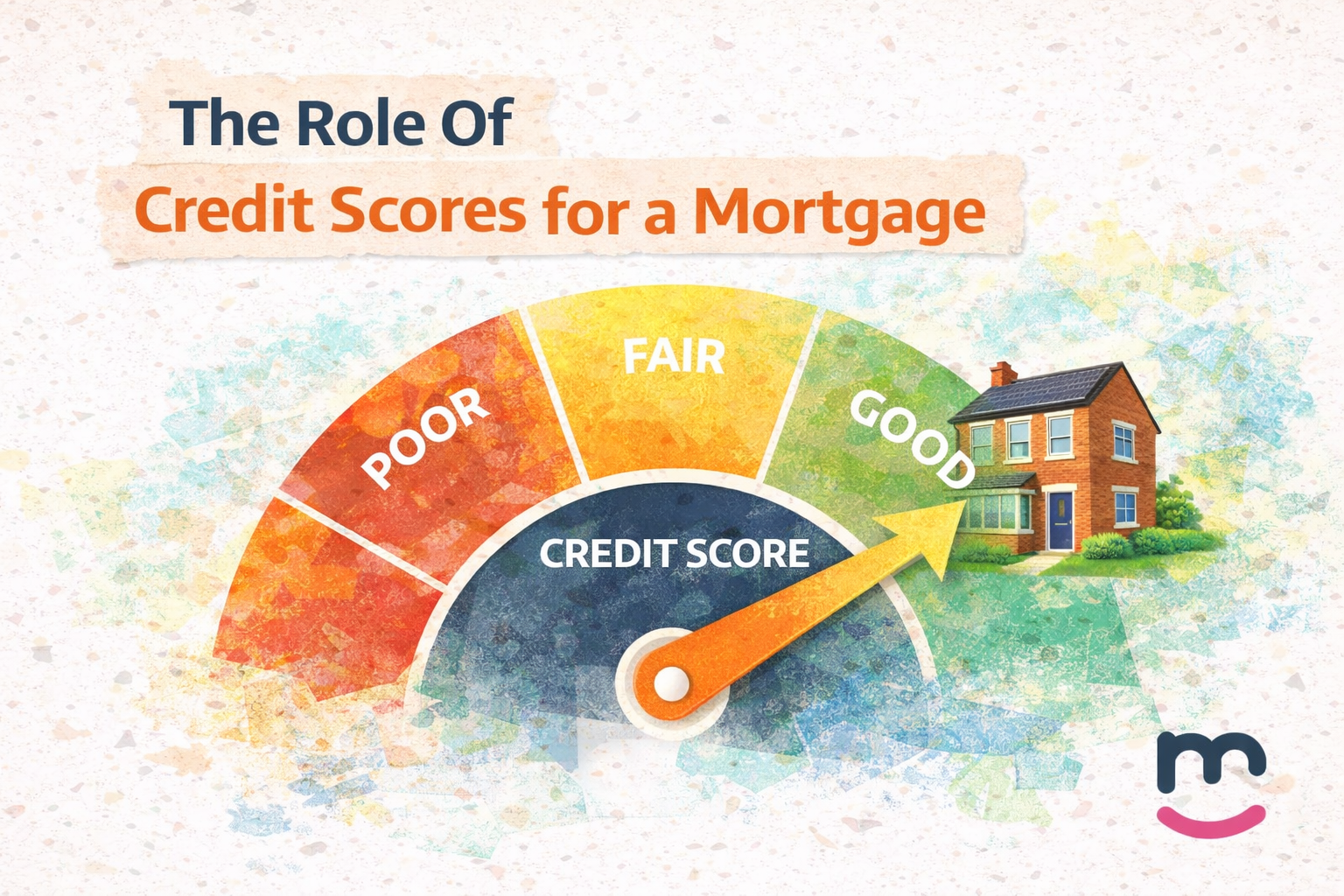



Bad Credit Mortgage Guide: How Your Big Deposit Can Save the Day

Bad Credit Mortgage Guide: How Your Big Deposit Can Save the Day
A large deposit might be your way into the UK property market even with bad credit. Your borrowing options take a big hit with bad credit. Some buyers need deposits of 30% or more, while those with good credit history need just 5%. But a substantial savings account could help you become a homeowner despite your past financial troubles.
Your chances of getting a mortgage with bad credit largely depend on what hurt your score. Lenders see you as high-risk if you’ve missed credit card payments, defaulted on loans, or tried to get credit too often. The good news is your chances get better with a larger deposit – you’ll need 10-20% at least. People with serious problems like bankruptcy or repossession might need to put down 30-40%. You might also need a guarantor to back you up. Parents or older relatives usually step in to promise lenders they’ll cover payments if you can’t.
This piece shows how your credit history shapes your mortgage application. You’ll learn why bigger deposits make such a difference and what steps you can take to get approved despite your credit issues.
What is bad credit and how does it affect mortgages?
Credit scores play a huge role in your mortgage application process. Ratings range from 0-999 and show your financial standing with lenders. Many people think there’s a standard definition of ‘bad credit’, but each lender sets their own criteria to assess applications.
Common causes of bad credit
Learning what hurts your credit score helps you fix issues before you apply for a mortgage. Your credit score drops because of:
- Missing or late payments on credit cards, utility bills, mobile phone contracts, or other financial agreements
- Defaulted loans where missed payments have broken the relationship with lenders
- County Court Judgements (CCJs) that show court action for unpaid debts
- High levels of existing debt that suggest financial strain
- Lack of credit history that makes it hard to prove reliability
- Frequent credit applications that need full credit checks
Bankruptcy, Individual Voluntary Arrangements (IVAs), and repossessions stay on your credit file for up to six years. These create major hurdles to getting mortgage approval.
How lenders view bad credit
Lenders look at your credit history to understand how you handle money. You might still get a mortgage even with credit issues, though terms will differ.
Your application success doesn’t depend on just one credit score. Lenders look at your full financial picture, including income, monthly spending, and savings to check if you can afford the loan. Each lender’s criteria differs. You might fail with one but succeed with another.
Bad credit makes lenders see you as a higher risk. This means you’ll face:
- Higher interest rates to cover potential default risk
- Bigger deposit needs, often 20-25% instead of 5-10%
- Fewer choices for good mortgage deals
- Deeper checks into your finances during application
Why credit history matters
Your credit history shows lenders how you’ve handled money before, which helps predict your future behaviour. Good credit shows you’re reliable and manage money well. Poor credit suggests risk.
Credit history affects both your chances of approval and your loan terms. Lenders focus on how regularly you pay bills, how much credit you use, and how you manage debt overall.
Having no credit history can be just as tricky as bad credit. Lenders can’t see proof of financial responsibility without past borrowing, which might lead to higher rates or rejected applications. Many people think avoiding credit helps their mortgage chances – it doesn’t.
Mortgage applications trigger “hard” credit searches. Multiple applications close together can hurt your score more. Finding the right lender first matters most. A mortgage broker can help you do this, especially if you have credit issues.
How a large deposit changes the game
A big deposit becomes your ace in the hole when you apply for a mortgage with credit issues. Lenders usually ask for a minimum 10% deposit for regular applications, but this number typically goes up to 15% or more if you have credit problems. Knowing how this bigger financial commitment changes your application helps you navigate the mortgage market better.
Lower loan-to-value ratio (LTV)
The loan-to-value ratio shows what percentage of the property’s value you borrow through your mortgage. To name just one example, see how a £50,000 deposit on a £200,000 property gives you a 75% LTV. This mathematical relationship shapes every mortgage lending decision.
A lower LTV means less risk for mortgage providers. Let’s look at this scenario: buying a £200,000 house with a 10% deposit means property values would need to drop by 10% before your lender couldn’t get back the full loan amount if you defaulted. Put a 20% deposit down instead, and the lender could still profit after repossession, having given £224,000 while possibly getting back £250,000.
Here’s how different LTV bands affect your options:
- 95% LTV — highest rates
- 90% LTV — better
- 85% LTV — competitive deals
- 75% LTV — highly competitive
- 60% LTV — premium rates
Even a small move from 90% to 85% LTV can cut your monthly repayments substantially.
Increased lender confidence
Your hefty deposit completely changes your lender’s view of your application. It shows you have “skin in the game”, proving your serious commitment to buying the property.
A bigger deposit creates several benefits for lender confidence:
- Less exposure to market changes
- More equity buffer protecting their investment
- Lower chances of negative equity situations
Better yet, this confidence goes beyond interest rates. Many lenders won’t offer products above 85% LTV, while bigger deposits usually open doors to more lenders who might look at your application.
This expanded lender pool becomes crucial if you have credit issues, as specialist providers feel more comfortable with cases outside their usual policy when backed by a stronger LTV.
Access to better interest rates
The link between deposit size and interest rates couldn’t be clearer. The golden rule stays simple: save more upfront to get a better deal.
A 25% deposit puts you in a sweet spot, as this amount often unlocks much better interest rates. You start looking like a low-risk borrower at this point, which might offset any credit history issues.
A substantial deposit brings more advantages:
- Lower monthly payments thanks to better rates and smaller loans
- Less strain on your finances
- More borrowing power relative to your income
This helps especially if you’re self-employed or have variable income. Lenders worry less about income changes when they see a larger equity stake.
The math makes sense for people with credit challenges: a bigger deposit gives your mortgage lender more security. This makes your application more likely to succeed and reduces your costs, whatever your credit history might show.
Getting a mortgage with bad credit: What lenders look for
Mortgage lenders look beyond your deposit size and credit history to get a full picture of your finances. You’ll have a better chance of approval if you know exactly what they look at. They want to feel confident you’ll keep up with monthly repayments, and they look at several key factors to make sure.
Income and affordability checks
Lenders pay close attention to whether you can afford repayments now and in the future when they assess your mortgage application. They get into your income and spending through detailed affordability checks. These checks look at your earnings and their sources, since many lenders have specific rules about what counts as acceptable income.
Your debt-to-income ratio is a vital part of their assessment. This number shows your monthly debt payments divided by your gross monthly income. The best mortgage deals usually need this percentage between 20-30%, though some lenders will give good rates with higher ratios. You might need to pay down some debt first if your ratio is above 50%.
Lenders also take a close look at your bank statements to spot spending patterns and any red flags. Online gambling can raise concerns, even if you’re only spending small amounts.
Credit report accuracy
A single error on your credit report could seriously impact your chances of getting a mortgage, leading to higher interest rates or rejection. About one in three people who check their reports find mistakes.
Common credit report mistakes include:
- Wrong personal details (8% of people spot errors here)
- Debts that don’t exist (almost 1 in 10 people find these)
- Accounts showing up multiple times
- Closed accounts listed as open
- Payment mistakes that never happened
It’s smart to get reports from all three major UK credit reference agencies—Experian, Equifax, and TransUnion—since they might have different information. If you spot any mistakes, file a Notice of Correction with the agency and back up your claim with evidence.
Stability of employment and residence
Your job and housing stability show lenders they can count on you. They look at how long you’ve been in your current job, your work history, and whether your income stays steady.
You’ll need to explain any gaps in your employment. Lenders understand that things like redundancy or parental leave happen, but they need to know these gaps are in the past. Starting a new job doesn’t rule you out if you have a solid work history.
A stable address matters too. Being on the electoral roll at your address for several years looks good. In stark comparison to this, moving around too much might hurt your application.
Lenders will check everything by looking at your bank statements, talking to your employer, and reviewing tax returns if you’re self-employed.
Steps to improve your chances before applying
Steps to boost your mortgage application can really increase your chances of approval, even with a spotty credit history. A good preparation before you submit your application helps you tackle problems that could lead to rejection.
Check and fix your credit report
Your first step is to get reports from all three major UK credit reference agencies—Experian, Equifax, and TransUnion. Each might have different information about you. Look at every detail carefully and find any mistakes that could hurt your application. You might find wrong addresses on old accounts, unfair defaults, or outdated financial connections to ex-partners.
If you find mistakes, reach out to the credit reference agency right away to challenge them. They should complete their investigation within 28 days. During this time, they’ll mark the item you’re questioning as disputed. When you fix these errors well before your mortgage application, lenders will see your true credit history.
Reduce existing debts
Your chances of mortgage approval will improve by a lot if you lower your overall debt before applying. Lenders look closely at how much debt you have compared to your income. Lower percentages will make your application stronger. Put your energy into paying off current debts and stay away from new ones.
Look at how you spend your money and cut costs where you can as part of getting ready. Keep your monthly spending steady and try to have money left when the month ends. Lenders like to see that you manage your money well.
Avoid new credit applications
Don’t apply for any type of credit at least three months before your mortgage application. Many experts say six months is even safer. Each time you apply for credit, it triggers searches that temporarily drop your score.
Keep in mind that payday loans are bad news. Some lenders won’t give mortgages to anyone who’s used these loans in the past year. Also, don’t open new accounts between getting your mortgage offer and finishing the purchase. This could change how much you can borrow.
Add a note of explanation to your file
A Notice of Correction on your credit file can help if you had good reasons for past money troubles. This 200-word statement lets you explain what happened, like losing your job, going through a breakup, or health problems.
You can add this explanation by contacting each credit reference agency with your statement. While it won’t change your credit score, it helps lenders understand what caused the problems. The application might take a bit longer because someone needs to review it manually, but it gives important details that computers might miss.
When a big deposit isn’t enough: Other options to consider
A big deposit might not help you get a mortgage if you have bad credit. But don’t worry – you still have several ways to become a homeowner even after multiple rejections.
Using a guarantor
A guarantor mortgage lets a family member (usually a parent) promise to pay if you can’t keep up with payments. This adds extra security on top of your deposit. Your guarantor needs enough income or property equity to back your application. Lenders want guarantors to get legal advice first since their home could be at risk if you miss payments.
Applying with a specialist lender
You’ll find many specialist lenders beyond regular banks that help people with credit problems. These lenders look at applications personally instead of just using computer scoring. They look at how bad your credit problems were and when they happened, along with your current money situation.
The catch is that specialist lenders charge more interest because they’re taking a bigger risk. Your monthly payments will cost more than regular mortgages.
Considering shared ownership or Help to Buy
Shared ownership lets you buy part of a property (usually 25-75%) and pay rent on the rest. You need a smaller mortgage this way, which makes approval easier even with credit problems.
The Help to Buy equity loan scheme offers government loans up to 20% of the property value (40% in London). You only need a 5% deposit. Lenders might say yes more easily since you’re borrowing less money.
These options can help you get started with homeownership. You can improve your credit score while owning property at the same time.
Conclusion
Bad credit makes getting a mortgage challenging, but a substantial deposit can transform your chances completely. A larger financial commitment reduces the loan-to-value ratio and makes you less risky to potential lenders. This reduced risk often leads to better interest rates and higher approval chances, even with past credit issues.
Your credit history shows your financial behaviour, but you can rewrite this story through careful preparation. A stronger application comes from checking credit reports for errors, paying down existing debts, and avoiding new credit applications. On top of that, it helps to explain legitimate reasons for past financial difficulties through a Notice of Correction that provides context to lenders.
Mortgage providers look beyond your deposit and credit score. They review your income stability, employment history, and overall affordability before making decisions. You can strengthen your position substantially by keeping stable employment and residence while showing responsible money management.
Alternative options exist when traditional mortgage paths stay closed despite your best efforts and substantial deposit. Your path to homeownership might open through guarantor arrangements, specialist lenders, or government schemes like shared ownership while you rebuild your financial reputation.
Bad credit won’t necessarily end your property ownership dreams. With careful planning, sufficient savings, and the right approach, you can overcome past financial difficulties and secure your spot on the property ladder. Your large deposit could be the key that opens the door to your new home.
Key Takeaways
Having bad credit doesn’t eliminate your chances of securing a mortgage, but it does require strategic planning and a larger financial commitment to overcome lender concerns.
• A substantial deposit (20-30% minimum) dramatically improves approval odds by reducing loan-to-value ratios and demonstrating commitment to lenders.
• Check all three UK credit agencies for errors before applying—nearly 1 in 3 people find mistakes that could unfairly damage their prospects.
• Avoid new credit applications for 3-6 months before your mortgage application, as each search temporarily lowers your credit score.
• Specialist lenders and alternative schemes like shared ownership provide viable pathways when traditional mortgages remain out of reach.
• Lenders assess your entire financial picture beyond credit scores, including income stability, employment history, and debt-to-income ratios.
The key to success lies in preparation: addressing credit report errors, reducing existing debts, and demonstrating financial stability can transform your application from risky to acceptable, especially when backed by a significant deposit.
Can You Get a Secured Loan with Bad Credit? Here’s The Truth [2025 Guide]
![Can You Get a Secured Loan with Bad Credit? Here’s The Truth [2025 Guide]](https://www.mortgageable.co.uk/wp-content/uploads/2025/07/Mortgageable-Website-Images-74.png)
How to Get a Mortgage with Bad Credit: Simple Guide
How to Get a Mortgage with Bad Credit: Simple Guide for First-Time Buyers
Think bad credit will stop you from buying a home? You might be surprised to learn that getting a mortgage with bad credit is possible. Many lenders actually specialize in mortgages for people with poor credit ratings. The process can be tougher than for those with clean financial records.
Bad credit makes lenders see you as a higher risk borrower who might struggle with mortgage payments. You’ll face higher interest rates and need to put down a larger deposit – typically 20-25% instead of the usual 5-10%. But don’t let this discourage you from pursuing homeownership. Your credit report typically shows negative items for about six years. Understanding your current position is a vital first step.
The smart move is to check your standing before applying for any mortgage. A free Experian Account can help you check your credit score. Late payments on credit cards, utility bills, and other contracts can really hurt your score. Remember that building better credit takes time and dedication.
This piece covers everything about getting a mortgage with less-than-perfect credit. You’ll learn what impacts your score and practical ways to boost your approval chances.
What Does Bad Credit Really Mean?
Bad credit isn’t as simple to define as you might think. Lenders use different criteria to assess borrowers, so there’s no one-size-fits-all definition. In spite of that, most lenders look for specific financial behaviors that signal higher risk.
Common reasons for a low credit score
Your credit score doesn’t just drop randomly. Here are the most common things that can hurt your credit rating:
- Missed or late payments: Not paying bills, credit cards, or loans on time affects your score by a lot and stays on your report for years
- Defaults and CCJs: Your credit profile takes a big hit from defaulting on payments or getting County Court Judgments
- High debt levels: Having too much debt compared to your credit limits shows you might be struggling financially
- Limited credit history: Not having any credit history can actually give you a low score because lenders can’t see if you’re good at borrowing
- Multiple credit applications: Applying for lots of credit in a short time makes it look like you’re desperate for money
Bankruptcy filings, Individual Voluntary Arrangements (IVAs), and Debt Relief Orders leave long-lasting marks on your creditworthiness.
How lenders view bad credit
Mortgage lenders need to get a full picture of how you handle money. They look at your credit history to see if you know how to manage your finances consistently.
A low credit score tells lenders you’re a higher risk. So they might:
- Charge higher interest rates to cover their risk
- Ask for bigger deposits from people with credit issues
- Set stricter loan-to-value limits
- Turn down applications completely
Some lenders focus on “bad credit mortgages” for people with poor credit histories. These products help people buy homes, but they usually cost more than standard mortgages.
Lenders understand that money problems sometimes happen for reasons beyond your control, like losing your job or getting sick. Adding a “notice of correction” to your credit report to explain past issues might help your case.
Why credit scores vary by agency
Credit scores can be really confusing because they’re different depending on which agency you check with. The UK has three main credit reference agencies (CRAs): Experian, Equifax, and TransUnion.
Each agency works differently:
- They use their own scoring ranges and methods
- They might have slightly different information about your finances
- They update their information at different times
A score of 600 means something different everywhere you look. Equifax calls it “good,” TransUnion says it’s “fair,” and Experian rates it as “poor”. Experian’s scale runs from “very poor” (0-560) all the way up to “excellent” (961-999).
These differences happen because banks and lenders don’t have to report to every agency. They might only report to one or two instead of all three. It takes 4-6 weeks for updates to show up in credit reports, and some lenders update daily while others take longer.
The quickest way to get a complete picture of your finances is to check your score with all three agencies before applying for a mortgage.
How Bad Credit Affects Your Mortgage Options
Bad credit won’t stop you from buying a home, but it will change your mortgage options. Lenders adjust their offerings to protect themselves from risk when they see credit problems in your history. This usually means you’ll pay more as a borrower.
Higher interest rates and larger deposits
Your mortgage costs take the biggest hit from poor credit. Interest rates for bad credit mortgages are usually 2-3% higher than what good credit applicants get. Let’s say standard mortgage rates are at 4% – you might end up paying 6% or more with credit issues. This means higher monthly payments and a much larger total repayment over your mortgage term.
You’ll also need to put down more money upfront. Good credit borrowers can get mortgages with just 5-10% down, but bad credit often requires 20-25%. Credit problems that are more serious need even bigger deposits:
- Bankruptcy or repossession (5+ years ago): 30-40% deposit
- IVA (2 years ago): 15-30% deposit
- Missed mortgage payment (within 1 year): 10-15% deposit
- Minor credit issues (late phone payments): 5-10% deposit
The more recent and serious your credit problems are, the more money you’ll need to put down to offset what lenders see as risk.
Loan-to-value limits for low credit score mortgage
Loan-to-value (LTV) ratios are tied to deposit requirements and get restricted for people with credit issues. While excellent credit histories might qualify for 95% LTV mortgages, poor credit often caps out at 85% LTV. Many lenders won’t go above 70-80% LTV for applicants with serious credit problems.
Lenders worry about repossession. If you default, they must sell your property – usually below market value and with extra costs. A £280,000 home might only bring in £250,000 or less. High LTV loans could mean losses, while lower LTV protects the lender.
This risk assessment explains why LTV limits get stricter with worse credit issues. Each percentage point lower in LTV gives lenders more protection against possible default.
Why some lenders still approve bad credit applicants
Many lenders focus on bad credit mortgages. These “specialist” or “subprime” lenders know that credit problems don’t always predict future payment behavior, especially when:
- Credit issues happened over 12 months ago
- Life events caused the problems rather than poor money management
- The debt is relatively small (under £1,000 for CCJs or £2,500 for defaults)
- Your financial situation has gotten better
Unlike mainstream lenders with automated systems, specialist lenders look at each case individually. They assess your overall financial picture, including steady income and how you handle debt now, rather than just your credit score.
Bad credit mortgages are also profitable. Higher interest rates and fees balance out the increased risk, making these loans worthwhile for lenders who know how to manage that risk.
Note that your specific situation determines your mortgage options. Each lender has their own rules about the age, type, and severity of credit issues they’ll accept.
Steps to Improve Your Credit Before Applying
You need time to build a better credit score. Some smart moves can help you get mortgage approval despite past money troubles. The best results come from starting these improvements six months before you apply.
Register to vote and update your address
Your first step should be getting on the electoral roll. This easy task helps lenders confirm who you are and where you live. Your Experian credit score can jump up to 50 points just by showing up on the electoral roll at your current address. Most people don’t know this – only 45% realize it affects their credit score.
The UK law requires everyone to register for elections, whether they plan to vote or not. Your credit report usually shows these details within 30 days. December 1st is the update date if you register during the annual canvass from August to November. Living in temporary housing? You’ll look more stable to lenders if you register at a permanent address, like your parents’ home.
Pay bills and debts on time
Regular payments are the life-blood of better credit. A single missed payment can stay on your report for six years.
Direct debits are the quickest way to avoid missing payments by accident. Paying bills on time shows mortgage lenders they can trust you. Your credit score might improve if you keep credit card balances under 25% of your limit.
Fix errors on your credit report
Small mistakes on your credit report can hurt your chances of getting a mortgage. A wrong address could lead to rejection.
Take time to check these details on your report:
- Personal information (name, address)
- Account details and payment history
- Credit limits and balances
- Public records (such as CCJs)
You should contact both the credit reference agency and the lender to dispute any errors. Make sure you send proof with your claim. Most cases get sorted in 30 days, but it might take 45 days if more documents are needed.
Avoid multiple credit applications
The months before your mortgage application are crucial. Each new credit application leaves a “hard search” mark on your file. Lenders think you’re desperate for money if they see lots of searches close together.
Money experts say you should avoid applying for credit at least six months before asking for a mortgage. This rule becomes extra important with certain loans. Some mortgage lenders won’t even look at your application if you’ve used payday loans in the last year.
These four steps will boost your chances of getting a mortgage approved, even if you’ve had credit problems before.
Smart Strategies to Boost Your Approval Chances
You can do more than just improve your credit score to boost your chances of getting a mortgage despite past money troubles. Lenders look at risk when they review applications from people with credit issues, so these practical approaches directly tackle their concerns.
Save for a bigger deposit
A larger deposit substantially reduces the risk for lenders when they look at bad credit applications. You should target at least 20-30% of the property value to get better rates and improve your chances of approval. People with serious credit issues, like bankruptcy or repossession, might need to put down 25-40%.
Your substantial deposit shows your financial commitment and reduces your lender’s risk exposure. The lower loan-to-value ratio makes potential mortgage providers see you as less risky. Yes, it is worth noting that even £100 more than a standard threshold (like 20% instead of 19.9%) can affect both your acceptance odds and borrowing capacity.
Think over a joint application
Teaming up with someone who has better credit might help, but lenders usually look at the worst credit profile between joint applicants. Your partner’s excellent credit won’t automatically cancel out your credit issues, though combining your incomes could still help with affordability checks.
Joint mortgages work even when one person has credit problems. The age and severity of credit issues matter most – recent bankruptcies create bigger obstacles than older, settled defaults.
Use a guarantor if possible
A guarantor mortgage lets someone (usually a parent or close relative) agree to cover your mortgage payments if you can’t. This setup might help you get approved even with poor credit history or a smaller deposit.
Guarantors must either:
- Secure the mortgage against their own property
- Place cash in a special savings account held by the lender
Everyone involved should think carefully about this option since your guarantor’s home could be at risk if payments aren’t managed properly.
Apply for an Agreement in Principle
An Agreement in Principle (AIP), also known as a Decision in Principle, helps you check your potential borrowing amount before making a formal application. The soft credit check won’t affect your credit score.
Getting an AIP offers several benefits:
- Shows sellers and estate agents you’re serious about buying
- Helps spot potential issues before full application
- Gives you confidence about your borrowing capacity
Most AIPs last about 90 days, giving you enough time to find a property while knowing your borrowing limits. Though it doesn’t guarantee mortgage approval, this step helps identify any potential issues early in your home-buying trip.
Tools and Resources to Help You Plan
You need specific tools to plan your mortgage application that show you exactly where you stand financially. A good deposit and better credit score are important, and these resources will help you know your position better.
Use a mortgage calculator
Mortgage calculators help you learn what you can actually afford. These tools show your possible monthly payments based on different interest rates, loan amounts, and repayment terms. Bad credit mortgage calculators are also available. They factor in higher interest rates that usually come with lower credit scores.
Note that these calculators offer guidance, not guaranteed figures. Try different scenarios to see how various interest rates change your monthly payments. To cite an instance, a £100,000 mortgage over 20 years at 2% costs £506 monthly. The same mortgage at 6% increases to £660 monthly.
Check your credit score regularly
Getting your credit reports from all three major UK agencies—TransUnion, Experian, and Equifax—is vital before you apply for a mortgage. You can get these reports free: TransUnion through MoneySavingExpert Credit Club, Experian through their free service, and Equifax through Clearscore.
Look carefully for errors in these reports. Even small mistakes can affect your chances of approval. Your checks show up as “soft searches” and don’t hurt your score, so check as often as you need.
Understand your borrowing limits
You should know how much you can borrow before you start looking for houses. Lenders look at your monthly expenses, not just your salary. Bad credit applicants usually need a bigger deposit—often 20-25% of the property value. This can go up to 30-40% if you have serious credit issues.
Affordability calculators that look at your income, expenses, and credit situation can help. These tools help you set realistic expectations and stop you from applying for mortgages you can’t get. Getting an Agreement in Principle also shows your potential borrowing limits without affecting your credit score.
Conclusion
Bad credit makes getting a mortgage harder but not impossible if you prepare well and know what to expect. This piece shows how different lenders view risk in their own ways. Most will charge higher interest rates and ask for bigger deposits when they see credit problems.
Your credit history shows how reliable you are with money, and this story can change. Most negative marks disappear from your report after six years. You can make things better by taking positive steps. Getting on the electoral roll, paying bills on time, and handling your current credit well help rebuild your financial standing.
You can boost your chances of approval by saving a bigger deposit, looking into guarantor options, or getting an Agreement in Principle before you start house hunting. Each extra percent you put down as deposit makes you less risky to lenders and gets you better terms.
The road to owning a home with credit issues needs patience. Free services from major agencies let you keep an eye on your credit report. Special calculators help you figure out how much you can borrow and what your monthly payments might be.
Past money troubles don’t have to stop your future plans. Many people get mortgages even with credit problems in their past. The secret is to show you’re stable now and can handle money well. Start getting ready at least six months before you apply. Keep making improvements and talk to specialist lenders who look at each case personally instead of just using automated systems.
Bad credit might change your path to getting a mortgage, but it won’t stop you. With focus, good planning, and the right help, you can still become a homeowner despite past financial problems.
How to Get a Mortgage with Bad Credit but Good Income


If you’re earning a good income, but being affected by a bad credit score, that doesn’t mean you can’t get a mortgage.
In this guide, we’ll discuss how you can get a mortgage with bad credit but good income.
What classes as bad credit?
Depending on the credit reference agency you use, there are differential brackets your credit score will fall into:
*Insert table here*
As you can see, the criteria differ from agency to agency, so make sure to check this first before proceeding with your application. Mortgageable offers a free Equifax Credit Report as part of its service, with no obligation to proceed. Something worth considering.
What causes bad credit?
Bad credit can be caused by a variety of different things, including:
- Borrowing history – making mistakes with borrowing in the past or having limited history.
- Arrears and missed payments – Not paying bills or credit cards on time will affect your credit score.
- Not being on the Electoral Register – Making sure you’re registered here, could improve your credit score.
- Credit applications – if you make a load of applications in a short window, this will have a negative effect on your credit score.
Sadly, even with a high income, your bad credit rating will remain for a certain period.
This leaves many people on high incomes still saddled with poor interest rates or limited options because of bad credit scores.
That said, you will still have options, but they’ll be impacted by how recent your financial issues have been and how severe your bad credit score is.
Depending on how extreme your situation is, you may need to approach a specialist lender that deals with bad credit mortgages or work on your credit score before applying for a mortgage once more.
Consulting with a mortgage advisor on how to get a mortgage with bad credit but good income can also help you to determine the best course of action for you.
Related guides:
- Can you get a mortgage with bad credit but good income.
- Shared ownership mortgages with bad credit.
- Best bad credit mortgage lenders (UK).
- Remortgage with bad/poor credit.
How Can I Improve My Credit Score?
Whilst there will be options out there for a mortgage with bad credit but good income, it’s always a good idea to try and improve your credit score where possible. This may take some time, but will give you access to more lenders, better deals and make the mortgage process a lot easier. Here are some ways in which you can improve your credit score.
- Start making regular payments on time
- Make sure you’re on the electoral register
- Build up your credit history – having no credit history is typical of younger people and those who have just moved to the country
- Don’t be too close to your credit limit – if you can keep your credit limit as far away from the threshold as possible, lenders will look favourably on this
- Credit builder cards – utilising these specialist cards can help to build your score over time. Typically you’d use this card for small amounts each month and pay off at the end of each month
Improving your credit score will make the mortgage process much easier and give you access to better deals.
How Mortgageable Can Help You Find a Mortgage For Bad Credit But Good Income
Most Mortgage Advisors have access to the standard lenders and deals on the market, however others have access to a wider market and specialist lenders for slightly more complicated situations – such as getting a mortgage with bad credit but good income.
This is where Mortgageable come in. Mortgageable has access to over 100 lenders across the UK, meaning access to specialist lenders and deals. Our advisors have also dealt with many similar situations meaning we’re no strangers to finding deals for this type of scenario.
Whatever your situation, Mortgageable’s advisors will work to ensure you find a solution for getting a mortgage with bad credit but good income, making the mortgage process as streamlined as possible.
How To Get a Mortgage With Bad Credit But Good Income Summary
In this guide, we have reviewed how to get a mortgage with bad credit but good income, what causes bad credit and how to improve your credit score. We have also discussed how specialist advisors such as Mortgageable can help you through this process and find the best deal for you.
Should you require any further assistance in your mortgage application, please contact us to arrange a consultation with our expert team of brokers.
As a specialised mortgage broker, we have access to hundreds of lenders, some who specialise in mortgages for those with bad credit but good income. We offer a free consultation with access to a free Equifax Credit Report. With this report, we can analyse your current situation and look at how to move forward.
As with any big financial decision, it is highly recommended that independent financial advice is sought ahead of committing to a specific option, to ensure that all terms are fully understood, the option is the most favourable for the applicant and that the repayments can be made comfortably.
In addition, it is important to note that with any secured lending, the ultimate consequence of defaulting on the mortgage could mean that the property is repossessed by the lender.
Call us today on 0330 90 60 30 or feel free to contact us. One of our advisors will be happy to talk through all of your options with you.
How To Remove Missed Payments from Credit Report UK
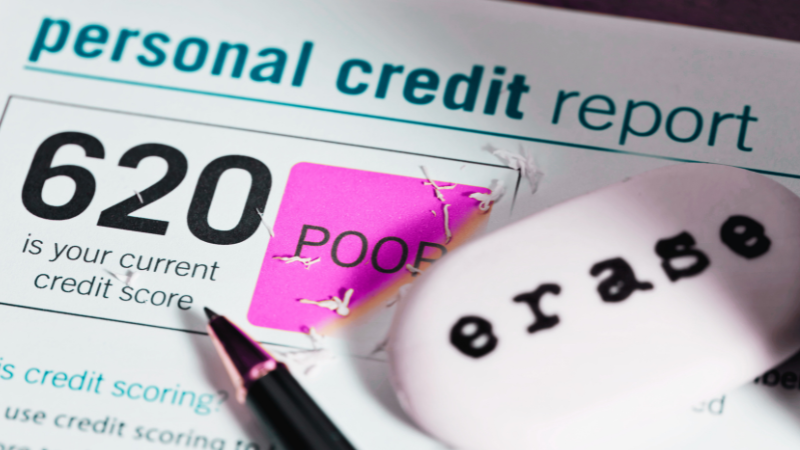
Accurate credit information is vital for your borrowing profile. Lenders use your credit report to predict whether you’re trustworthy and can make timely payments.
Missing payments adversely impact your creditworthiness and can have far-reaching consequences, including refusal when you apply for different kinds of lending.
However, you can sometimes remove missed payments under certain circumstances.
Read on to learn about your options for removing missed payments from your credit report to help improve or maintain your credit score.
What Are Missed Payments?
When you borrow or open an account with a creditor, you agree to make monthly repayments for the borrowed amount on a particular date. You’ll have a missed payment when you fail to make the payments you owe to a creditor.
Most lenders allow a grace period of 30 days after you miss the due date before making a report to credit reference agencies. However, agreements can differ among lenders, so ensure you review the terms of your deal to avoid being caught off guard.
Can You Remove Missed Payments from Your Credit Report?
Yes! You can remove missed payments from your credit report if they have been recorded inaccurately.
You also have the right to try removing missed payments from your credit report if they were on an account fraudulently opened in your name.
Generally, you can’t remove a missed payment from your credit report if you missed a payment and the lender is accurately reporting the issue.
However, some lenders can understand if you have extenuating circumstances surrounding the missed payment. For example, if you missed payments due to a medical emergency or natural disaster.
The creditor can agree to remove the late payment if you’ve brought the account current again and have a good history of making other payments on time.
Related bad credit guides:
- Mortgage with a bankruptcy
- Buy to let mortgage bad credit
- Can you get a mortgage with an IVA
- Mortgage with a debt management plan
How Can You Remove Missed Payments from Your Credit Report?
You can identify and remove missed payments from your credit report through the following steps:
Step 1: Review Your Credit Reports
The first step is downloading and reviewing your credit reports for details about the missed payments record.
It will help you identify which credit reference agency is reporting the issue, the actual accounts reporting missed payments, when they were reported, and the amount you missed.
Step 2: Determine if the Missed Payments Are Reported Accurately
Check the reports for errors regarding your payment dates or outdated information. You can also review your financial records about the account with missed payments to see if there is a discrepancy.
Creditors shouldn’t make a missed payment report to credit reference agencies if you’re less than 30 days past due.
Step 3: File A Dispute with Your Creditor
You can claim with the creditor or lender if you believe there is an error on your credit report.
Contact the creditor who reported the missed payment directly and include any document proving you paid, such as a bank statement or payment verification email.
The creditor will conduct an investigation. They’ll update the credit agencies to correct or remove the missed payment record if they agree there was an error.
Step 4: File A Dispute with Credit Reference Agencies
You can also dispute errors and inaccurate information on your credit report with each credit reference agency. Once you file a dispute, the agency will contact the creditor for verification.
You can submit disputes with all agencies simultaneously to avoid delays in correcting all your credit reports. After concluding its investigation, the agency will verify and remove the missed payment from your credit report.
How To Remove Missed Payments Tied to Fraud
Bad actors can fraudulently open an account in your name, and it can have missed payment records. The missed payment record can be accurate, but you’re not responsible for the fraudulent account.
In such cases, you should report identity theft and suspicious credit applications to the police. You must also contact CIFAS, the UK’s fraud prevention service, for protective registration.
You can then contact the creditor’s fraud department, informing them that the account was fraudulently opened in your name.
Submit copies of the reports to help support your dispute. Once the creditor verifies that the account was opened fraudulently, they’ll close it and send updates to credit agencies to remove it.
How Long Will a Missed Payment Stay on the Credit Report?
Credit reports show the missed payment record for six years after the creditor records it. As such, even a single missed payment can have long-lasting consequences on your creditworthiness.
Multiple missed payments will generally have a more significant impact.
However, the impact reduces over time since lenders pay attention to your most recent credit history. You can improve your scores by making future payments without fail and avoiding additional missed payments.
The missed payment record disappears from your credit report after six years, provided it’s fully settled. Repaying the debt can also help reduce its impact before the six years are up.
Recommended reading:
- Getting a mortgage with bad credit.
- Remortgages for debt consolidation.
- Mortgage application declined.
- Mortgage after repossession.
How Can You Avoid Missed Payments on Your Credit Report?
The following tips can help you avoid getting missed payments on your credit report:
Set Up Autopay or Direct Debits
Set up autopay or direct debits and ensure enough money in your account to avoid accidentally missing payments.
With such setups, the minimum monthly payments leave your account automatically so you can meet your obligations on time.
They offer peace of mind since you don’t have to worry about remembering to make payments.
Create A Budget
A realistic budget can ensure you don’t overspend and chip into your loan repayment funds. Assess your spending habits when creating the budget and set aside extra funds to cover unexpected costs.
Contact the Creditor
Reach out to your creditor as soon as you realise you’ll miss a payment. They may have hardship options like lowering your minimum payment amount or allowing you to skip a payment to ensure you don’t fall behind.
Call us today on 03330 90 60 30 or contact us to speak to one of our friendly advisors.
Final Thoughts
You can remove missed payments from your credit report if they were added by mistake or due to fraud. Lenders can also agree to remove the record if the missed payments resulted from unavoidable circumstances.
How To Get a Default Removed After 6 Years
A default is one of the more severe consequences of missing payments on different kinds of credit, including personal loans, credit cards, and mortgages.
The implications of a default can be long-lasting since it stays on your credit record for six years, making it trickier to borrow money.
Thankfully, a default will not stay on your credit file forever. Read on to learn more about defaults and how to get a default removed after six years.
When Will a Default Be Listed on Your Credit Report?
A default doesn’t simply appear from the blue. It’s a negative payment marker or entry placed on your credit file due to recurring missed payments, which means the lender has reported the unpaid debt. You’ll not immediately get a default as soon as you miss a payment.
Most lenders will get in touch to try and understand why you’ve failed to make repayments on time and what they can do to help you get back on track.
They’ll also attempt to get you to repay by sending payment reminders over a grace period of a few months, usually three to six months.
If the lender feels they’re not getting anywhere after the grace period or you’re not responding, they’ll issue you a default notice before officially recording the default.
A default notice is a formal letter informing you you’re behind with repayments and that your account is at risk of closure.
It gives you at least two weeks to clear the arrears and is your final chance to stop the lender from issuing a default. If you don’t pay by this time, the lender will register a default with their credit reference agency.
How Do I Get a Default Removed After 6 Years?
If six years have passed since the default was registered, it will automatically be removed from your credit report. The lender won’t be able to re-add it, even if you haven’t settled the debt.
However, some credit agencies can be slow in updating their records.
You may need to raise a credit report dispute to remove the default record if it’s over six years old and still shows on your record. Follow these steps to get your default removed:
Step 1: Download Your Credit Report
Get your credit report to see which credit reference agencies show the default. All credit agencies offer free trials on the first instance, so you can use them to check your report.
Step 2: Contact the Credit Reference Agency
Once you identify the agency showing the default, contact them to request default removal and argue your case. Tell them why it should be changed and ensure you have a right to contest the default. Keep any relevant evidence handy to support your claim.
Step 3: Get A Notice of Correction
Once you request the default removal, the agency will contact the lender to check the accuracy of the data.
The agency will put a ‘Notice of Correction’ on your file to explain that the default is being disputed. They’ll also inform you of the lender’s response, but you can contact the lender directly for feedback.
Step 4: Report Update
If the lender agrees that the data is incorrect, the agency will update your report and remove the default. The agency will also inform you of your options if the lender disagrees with your dispute.
Related bad credit guides:
- Mortgage with a bankruptcy
- Buy to let mortgage bad credit
- Can you get a mortgage with an IVA
- Mortgage with a debt management plan
Can You Remove a Default Before Six Years?
Yes. You can get a default removed from your file within six years in various scenarios. These include:
Credit Report Errors
Errors can occur on your credit file, and you have every right to remove the default if it was recorded by mistake.
For example, you may get a default for another customer with a similar name. In other instances, the lender may have failed to collect payments despite being set up.
If you’re confident the debt isn’t yours, contact the lender with proof and ask them to remove the default from your credit record.
You can also prove that you did not cancel direct debits or a continuous payment authority to the lender by getting evidence from your bank.
You’ve Only Been in Arrears for A Short Time
You can get the default removed if you were in less than three months of arrears when it was recorded on your credit file.
You can ask the lender for a statement of account containing information about your debt and repayment history. You can use it to prove that you were under three months behind on your payments when you got the default notice.
Late Default Filing
If the default was added to your credit file late, it can remain on your report even after six years.
Consequently, it will over-run and appear on your credit file longer than expected. You can contest the late default filing with the lender and have them change it to an earlier date so it can drop off sooner.
Can You Remove a Default by Repaying in Full?
No. Defaults stay on credit files for six years from the date they’re added, even after full repayments. However, paying off your debt can help you look better at potential lenders and boost your credit rating.
The debt will be marked as ‘satisfied’ on your credit file and will have a less negative impact when you need further credit. It will also help you avoid further court actions.
Recommended reading:
- Getting a mortgage with bad credit.
- Remortgages for debt consolidation.
- Mortgage application declined.
- Mortgage after repossession.
How Can You Avoid Defaulting?
Avoiding getting a default is easier than removing one. Some tips that can help you avoid defaulting include:
Contacting the Lender
Contact your lender before missing payments for three months or more to inform them about your situation if you’re struggling with repayments. They can work with you to develop a more manageable repayment plan or offer payment breaks.
Understand Your Agreement
Borrowing agreements have clauses stipulating how many payments you can miss before defaulting. Understanding this information can ensure you know when to expect a default and take steps to avoid it.
Maintain a Budget
Create a realistic budget to ensure you don’t overspend. It will help you set aside enough money for repayments and avoid going into arrears.
Call us today on 03330 90 60 30 or contact us to speak to one of our friendly advisors.
Final Thoughts
Defaults stay in your credit file for six years and get removed automatically once the period lapses. However, you can get a default removed within six years if it was recorded erroneously.
Can You Get a New Mortgage with Good Income But Bad Credit?

If you’re earning a decent income but have a bad credit score or shaky credit history, does that exclude you from getting a new mortgage?
Getting a mortgage is a life goal for many people, but those with bad credit often worry that they’ll waste their time applying for a mortgage or will get a terrible rate/deal because their credit history is less than perfect.
According to Statista, mortgages account for a large portion of outstanding debt in the UK.
But planning with the help of a mortgage advisor can help you apply for a mortgage that won’t become a financial noose in the end.
The fact of the matter is that you may have a bad credit score but changed your financial situation since.
Even with a high income, your bad credit rating will remain for a certain period.
This leaves many people on high incomes still saddled with poor interest rates or limited options because of poor credit scores.
That said, you will still have options, but they’ll be impacted by how recent your financial issues have been and how severe your bad credit score is.
Depending on how extreme your situation is, you may need to approach a specialist lender that deals with bad credit mortgages or work on your credit score before applying for a mortgage once more.
Consulting with a mortgage advisor on bad credit good income mortgages can also help you to determine the best course of action for you.
Why a Healthy Credit Record Is Important
When applying for any sort of credit, the lender will assess your credit report to determine if you’re a suitable candidate or not.
The information found on your credit report will indicate whether or not you’re a risky candidate.
Mainstream lenders will rely heavily on your credit score when determining creditworthiness.
If you have a bad credit score but a good income, using a bad credit mortgage specialist or adverse credit lender may benefit you, as they don’t assign a credit score when assessing the viability of your mortgage application.
That doesn’t mean that adverse credit lenders won’t look at your credit score, but rather that they will consider other mitigating factors, such as your current earnings and how you currently handle your accounts.
Credit records provide potential lenders with an overview of your financial history, such as the money you’ve borrowed and how you’re repaying it, accounts you have and how they’re being managed and so on.
Your credit report will include details of your car finance, personal loans, credit cards, and store accounts.
In addition to this, your credit report will include additional details such as bankruptcy or county court judgements against you.
Are There Different Types of Credit Checks?
Lenders will carry out one of two types of credit checks: soft or hard.
If you’d like a DIP (decision in principle), the lender will carry out a soft credit check.
This helps them determine how much they could lend you based on the information in your credit report.
This includes no further checks, so cannot guarantee an approved loan.
If the lender uncovers other information on you when processing the final mortgage application, you may still receive a rejection/denial. Soft credit checks aren’t visible on your credit report.
The hard credit check is more thorough and is done at some point during the mortgage application, even if a soft credit check has been done before this.
A hard credit check will appear on your credit report, and some lenders view multiple hard credit checks as a sign of a risky borrower.
Is Credit Score the Sole Deciding Factor?
You may wonder if your credit score is the only factor that will influence the outcome of your mortgage application, and the answer is no.
Lenders will look at several things when determining if you’re a suitable borrower, with credit score being just one factor.
Other influencing factors include the following:
Your Income
Lenders will want to see how much you can afford to pay out each month, which means they’ll need to see proof of income.
If you’ve got a high income but apply for a mortgage that will exhaust all your available cash flow, you can still expect to get a negative outcome.
Applying for a mortgage that your income shows you can comfortably afford is one way to avoid possible mortgage rejection.
Your Monthly Expenses (aka, outgoings)
As important as your income is, so are your monthly expenses.
In addition to your mortgage instalment, you may have other expenses that you pay out each month, such as your vehicle instalment, insurance, daycare, household bills and services, and so on.
Lenders will compare your expenses with your income to determine the risk involved.
Source of Income
Earning sufficient income each month is one factor, but how you earn it is important, too. For instance, stability is important to lenders.
They will want to see that you can sustain your income for your contract.
If you’re employed, you can provide your payslips, or if you’re self-employed, you’ll need to provide your company’s financials along with your bank statements or latest tax returns.
History of Prior Mortgages
If you’ve had a mortgage before or currently have one, lenders will investigate to see how you handled the payments.
If your payments were on time every time, this will show on your credit report.
Any lapses in payments or bad notes on how you handle your existing or prior mortgages can work against you.
How Much You Must Earn to Get a Mortgage
There’s no set amount that any person should earn to qualify for a mortgage. It comes down to how much you can afford to borrow.
Lenders will consider any income amount when determining the viability of a loan application. Mainstream mortgage providers will typically provide you with between 3 and 5 times your annual income.
This is if you have good credit. If you have bad credit, you may find that lenders are only willing to offer you less, providing you with the opportunity to prove yourself.
A high income will not negate a poor credit score but may improve your options as you can put down a higher deposit.
What is a Bad Credit Score?
There’s no specific number that determines a high or low credit score.
That’s because every credit bureau calculates their scores differently.
Some mortgage providers that deal with adverse credit borrowers won’t score you.
As such, a credit score is a health indicator of your overall finances.
It’s a good idea to get your credit report from the leading bureaus such as TransUnion, Equifax, and Experian, so you know what mortgage providers might see when they carry out a credit check on your name.
A bad credit score will limit your options, but won’t necessarily exclude you from getting a mortgage.
Unfortunately, poor credit scores may mean lower mortgage amounts are available to you, or you’re offered a higher interest rate.
Sometimes, the lender may request a higher deposit amount to secure the deal.
Reasons for Poor Credit Scores
There are many reasons why you may have a poor credit score.
Some of these include:
- Late and missed payments on store accounts, loans, credit cards, and utility bills.
- Going into overdraft on your credit card or bank account without having an approved overdraft facility on your account.
- Using a large percentage of your available credit on your credit card.
- County court judgements against you.
- Individual voluntary arrangements are still in progress.
- Bankruptcy that’s been active within the past 6 years.
- Multiple hard credit checks on your name, show that you’ve been struggling with debt and have been seeking out more lines of credit.
- Being linked to a person who has bad credit, such as a marital partner who you have a mortgage or loan with.
- Incorrect information on your credit report (which can be corrected directly with the credit bureau).
How to Secure a Mortgage with Good Income but Bad Credit
There are several things you can do to secure a good deal if you have a poor credit score but a good income.
Some options include:
- Saving up a higher deposit than the standard requested amounts.
- Minimising your debt and outgoings by closing unnecessary accounts and paying down debt.
- Invest in a cheaper property to reduce the amount you need to borrow.
- Use an adverse credit mortgage provider that won’t base its decision on your credit score.
- Settle your CCJs and IVAs to clear your credit and show that you’re making an effort to get back in good financial standing.
- Ensure your accounts, loans, and lines of credit are paid in full and on time.
- Use a mortgage advisor who can ensure that you’re making sound financial decisions that are best suited to your financial situation.
Can You Get a New Mortgage with Good Income But Bad Credit? Conclusion
Having a high income doesn’t automatically qualify you for a mortgage or the best deals, especially if you have a bad credit score.
Mainstream lenders may view your poor credit as a red flag that you don’t handle credit properly.
Working with a professional mortgage advisor can help you apply with mortgage providers most likely to assist someone with poor credit.
Call us today on 03330 90 60 30 or contact us to speak to one of our friendly advisors.
Mortgage with a Debt Management Plan (DMP)


Yes! Aspiring home buyers with a debt management plan may face a few obstacles in the housing market, especially if you’re using debt solutions like a debt management plan.
However, it doesn’t mean that you can’t secure a mortgage, whether you’re currently in a debt management plan or have completed one in the last few years.
You may feel like your options are limited, but they’re always available with the right approach.
Here’s everything you need to know about getting a mortgage with a debt management plan in the UK…
What is a Debt Management Plan (DMP)?
A debt management plan is a non-formal arrangement between you and anyone you owe money to, which bundles your existing debts into one easy to afford monthly payment.
It usually incorporates non-priority debts like unsecured personal loans, credit cards or bank overdraft facilities.
To get a DMP, you still have to afford your rent, council tax, general bills and other living expenses, plus what you can pay towards your non-priority debts.
A DMP isn’t legally binding, and you can cancel at any time and take out new lines of credit.
How a DMP Affects Your Mortgage Application
You’ll find it challenging to take out a mortgage with a DMP because it impacts your credit score or rating.
All lenders want borrowers who can make repayments on time, and your options shrink if your credit record suggests you can’t do that.
You’ll need a good credit score to qualify for mortgages from traditional and high street lenders like banks.
You’ll likely be rejected if you’re coping with ongoing repayment plans like a DMP or adverse credit issues.
With a DMP, you make repayments according to your plan, which can be lower than what you agreed to on the loan contract.
Since you’re paying less than what you agreed, it can show up as an underpayment on your credit report.
Any other lender you apply to, including mortgage lenders, will view you as higher risk, and they’re likely to refuse your request or charge you higher interest.
How to Get a Mortgage with a Debt Management Plan
If you want to get a mortgage with a DMP, you’ll have higher chances with a specialist lender.
It might be more challenging to apply for a mortgage with an active DMP rather than a completed one, but specialist lenders can help you out.
Such lenders often work with people who’ve had financial issues. It’s unwise to approach lenders yourself when looking for a mortgage with a DMP.
You’ll be leaving it to chance, and this can lead to your mortgage application being declined and more issues on your credit file.
Consulting a mortgage adviser or broker can help you access specialist lenders who are likely to approve your request.
You’ll not find such lenders advertising themselves or the high streets because they often only work with trusted advisers and brokers.
Such lenders specialise in providing bad credit mortgages. They adopt a more flexible and broader view of your situation and finances than traditional lenders.
Instead of focusing on your credit score or past financial issues, they consider your current circumstances.
Your application is assessed based on the usual criteria, like what you can afford based on your income and outgoing expenses, including your DMP contributions.
Specialist lenders will also consider factors around any other credit problems, like how long you’ve had them and their severity.
For example, if you were recently declared bankrupt or had a county court judgement (CCJ) against you, it can be difficult finding lenders who will accept your mortgage application.
However, if your credit history contains less severe issues like limited arrears or late payments that you have already cleared, suitable lenders might not see this as an issue.
Whichever the case, how long ago the problem occurred can be a determining factor, with older issues carrying less weight than more recent ones as lenders decide.
If you have an individual involuntary agreement, it is still possible to get a mortgage, for more info, check our guide on how to get a mortgage with an IVA.
Looking for a commercial mortgage with bad credit? You may be interested in the possibility of shared ownership.
How Much Deposit Will You Need When You Have a DMP?
A higher deposit usually means better deals and more lenders when looking for a mortgage.
If you have more severe credit issues, lenders will likely ask for even higher deposits to reduce the perceived risk.
It can often be an issue if you’re already using your disposable income to pay off debts under your DMP because it can be challenging to save up enough money for a deposit.
If possible, you can try other causes of action to raise the necessary funds, like cashing in or selling assets.
However, ensure you get sound financial advice before taking such measures to ascertain how they can impact you in the future.
Want a mortgage for a rental property? They work slightly differently to regular residential mortgages, learn all about them in our buy to let mortgages with bad credit.
How Much Can I Borrow if I Have a DMP?
The loan to value (LTV) ratio, or how much you can borrow in a mortgage offer in relation to the property’s market value, is affected by your credit history.
It’s unlikely to get lenders who offer high LTV ratios of 95% with an active or completed DMP.
You’ll likely find lenders restricting LTVs to 85% of the property value, especially if you have CCJs or a history of defaults. Therefore, you’ll be expected to provide a 15% deposit.
Some specialist lenders can allow you to borrow up to four times your annual income. Others can advance up to five times, provided you don’t have any severe credit issues and can come up with a significant enough deposit.
How much you can afford when you have an active DMP will be determined by adding the DMP payments as an outgoing expense.
Remember, all lenders are not the same, and they’ll each assess your affordability based on their criteria.
Therefore, it’s possible to get the maximum amount if you approach a suitable lender. How much you earn will also be factored in the assessment and your type of employment.
Most traditional lenders provide limited options for those in non-traditional jobs, so a specialist lender is more suitable if you’re self-employed.
Taking Out a Mortgage with a Settled DMP
A DMP usually stays on your credit record for up to six years, whether or not it’s settled, which can affect your credit score and the lender’s decision.
Your chances of getting a mortgage are higher with a settled DMP than an active one.
If you’ve completed your DMP and are looking to get a mortgage, the first thing to do is ensure you get copies of your credit reports.
Confirm that all the details are correct, including the dates, addresses or electoral roll registration.
You’ll gain valuable validation to your identity when you’re registered to vote, and it will help your credit score so ensure you’re registered.
You also need to confirm that details of your debts and credit accounts are correct, including the dates and amounts and whether they’ve been satisfied or settled.
In case you notice any errors like a fully paid debt that’s not showing as such or incorrectly recorded deficits, then contact the responsible party and ask them to update the debt status.
Although they’re not obliged to, it can be a great help in your status. You can also send a copy of the letter to the leading credit reference agencies like TransUnion.
The final step is to improve your credit score to increase your chances of qualifying.
You can take out small loans and make regular repayments on time or a credit card you can quickly pay off.
To ensure repayments always go through on time, ensure you set up direct debits for your loans.
Can You Get a Mortgage with a Debt Management Plan Final Thoughts
It’s possible to get a mortgage with DMP, and the best way to get one is through specialist lenders.
A mortgage broker or adviser with access to the whole market can guide you and provide invaluable insight on lenders who are most likely to approve your request.
Give us a call on 03330 90 60 30 and we will provide you with the best deals available to meet your circumstances and consider any credit history you may have.
With our expert advice, we can guide you through the process and give you the knowledge and confidence it takes to acquire a secured loan that is right for you.
If you have read all the information on secured loans carefully and feel that you want to proceed with a secure loan, get in touch with one of our secured loan experts who can work with you to find the best deal for your needs and circumstances.
Mortgage with a Debt Management Plan (DMP) UK Guide


If you have a less than perfect credit record, including either a history of or a current debt management plan in place, you may wonder if obtaining a mortgage is even possible.
Fortunately it is possible and in this guide, we will cover the journey and the potential stumbling blocks.
We will cover exactly how to seek a mortgage with a history of missed or late repayments, discharged bankruptcy, defaults, CCJs or IVAs, as well as the hurdles that may be faced for a mortgage applicant in this scenario.
Can I Obtain a Mortgage with a Debt Management Plan?
In short, the answer is yes, although as the debt management plan, otherwise known as a DMP, will have impacted the applicant’s credit score, it’s still possible.
However, it’s important to be aware that there is likely to be some consequences such as a higher interest rate on any mortgage offers, or a lower mortgage value offer.
However, there are lenders on the market who specialise in offering mortgages to those applicants who have had or are currently on a DMP.
The best method of finding and approaching such specialised lenders is via an independent mortgage broker.
The broker can also assist with reviewing the potential mortgage applicant’s circumstances to ensure they meet the criteria before approaching a lender.
What is a Debt Management Plan?
A debt management plan or DMP is an informal repayment agreement between a person and a non-priority debt lender.
Within the personal finance world, debts are categorised between:
- Priority debts – Those essential bills that if not paid would result in the loss of a provision for example, if the mortgage or rent is not paid, the consequence would be the repossession or eviction of a property.
- Non-priority debts – Those additional credit agreement such as store loans, credit cards or other credit agreements including mobile phone agreements. Non-priority debts are deemed less serious if they default than priority debts.
A DMP can be set up for unsecured, non-priority debts in order to repay the amounts owed via an affordable repayment plan.
A DMP usually involves a company acting as the intermediate party who assists with negotiating with the creditors to set up the plan, as well as streamlining the person’s outgoings.
This allows the amalgamation of the debt repayments into one single monthly affordable payment, which is made to the intermediate company initially, and then they will pay the creditors.
The level of the monthly repayment will be assessed by the intermediate party who will analyse a person’s ability to repay once all essential bills have been deducted from their monthly income.
This includes all living costs such as rent and mortgage, essential bills such as council tax and utility bills.
There is a range of companies that offer to set up DMP’s, however only a handful undertake this service free of charge.
Want a mortgage for a rental property? They work slightly differently to regular residential mortgages, learn all about them in our buy to let mortgages with bad credit.
It is highly recommended that financial advice is sought ahead of taking out a DMP as there are consequences to selecting this option.
Consumers should be aware that none of the debt is written off when applying a DMP and the interest on the debt is not frozen and therefore by reducing the monthly repayments via a DMP, it can take a significant amount of time to repay the debts.
A DMP is not a legally binding plan and therefore can be stopped at any time by either party.
Also, it is important to be aware that the repayment plan created and offered by the intermediate company can be rejected by the creditors involved.
In addition, another factor to note is that a person’s credit rating will be impacted by the creation of a DMP as the monthly debt repayments will be reduced.
What is the Process of Obtaining a Mortgage with a DMP?
In addition to passing the usual lending criteria when applying for a mortgage, a person with either a current or previous DMP will also be assessed by the lender in relation to how severe the credit issues have been and how recent the issues were.
As we have briefly mentioned, each credit scenario will have a different level of severity on a person’s credit record and credit score.
Another factor on the impact will be the duration of time that has passed since the credit issue took place.
While some issues may be considered less serious such as a late payment, others such as a previous property repossession would be deemed more serious.
In addition, each lender will have varying views and policies on which matters they would consider and which they would not.
Due to the differences between lenders, it is highly recommended that financial advice is sought ahead of any potential mortgage applications.
This is so that the likelihood of being accepted can be discussed and the most appropriate lenders can be approached for the mortgage.
Looking for a commercial mortgage with bad credit? You may be interested in the possibility of shared ownership.
Why is it Trickier to Obtain a Mortgage with a Debt Management Plan?
People with either a current or previous DMP are likely to find obtaining a mortgage more challenging as lenders will deem the applicants as higher risk.
Lenders will analyse the risk factors involved with each mortgage application, and one element reviewed in this process is reviewing the applicant’s credit score and credit history.
The applicants with the highest score may be offered the highest value mortgage possible in accordance with the lender’s borrowing criteria and the most favourable terms.
However, if an applicant has a bad credit history both the value and terms are likely to be tailored due to the risk levels perceived by the lender.
Although it is not impossible to obtain a mortgage with a DMP, there will be fewer lenders willing to make a mortgage offer.
Therefore to protect a credit score from any further damage from possible declined applications, it is important to seek advice before submitting any mortgage applications.
How Much Could Be Borrowed if I Have or Had a Debt Management Plan?
Each lender will have different criteria regarding how much they may be prepared to lend, however, the calculation will also depend on the property value for the mortgage to be associated with and how much deposit the applicant can put down.
Mortgage with a Debt Management Plan Summary
Our professional and discrete brokers specialise in mortgages with a bad credit history and therefore if you either fall into this category currently or have done in the past, please get in touch so that your options can be discussed.
Call us today on 03330 90 60 30 or feel free to contact us. One of our advisors will be happy to talk through all of your options with you.