Commercial Bridging Loans Made Simple: From Application to Approval [UK Guide]
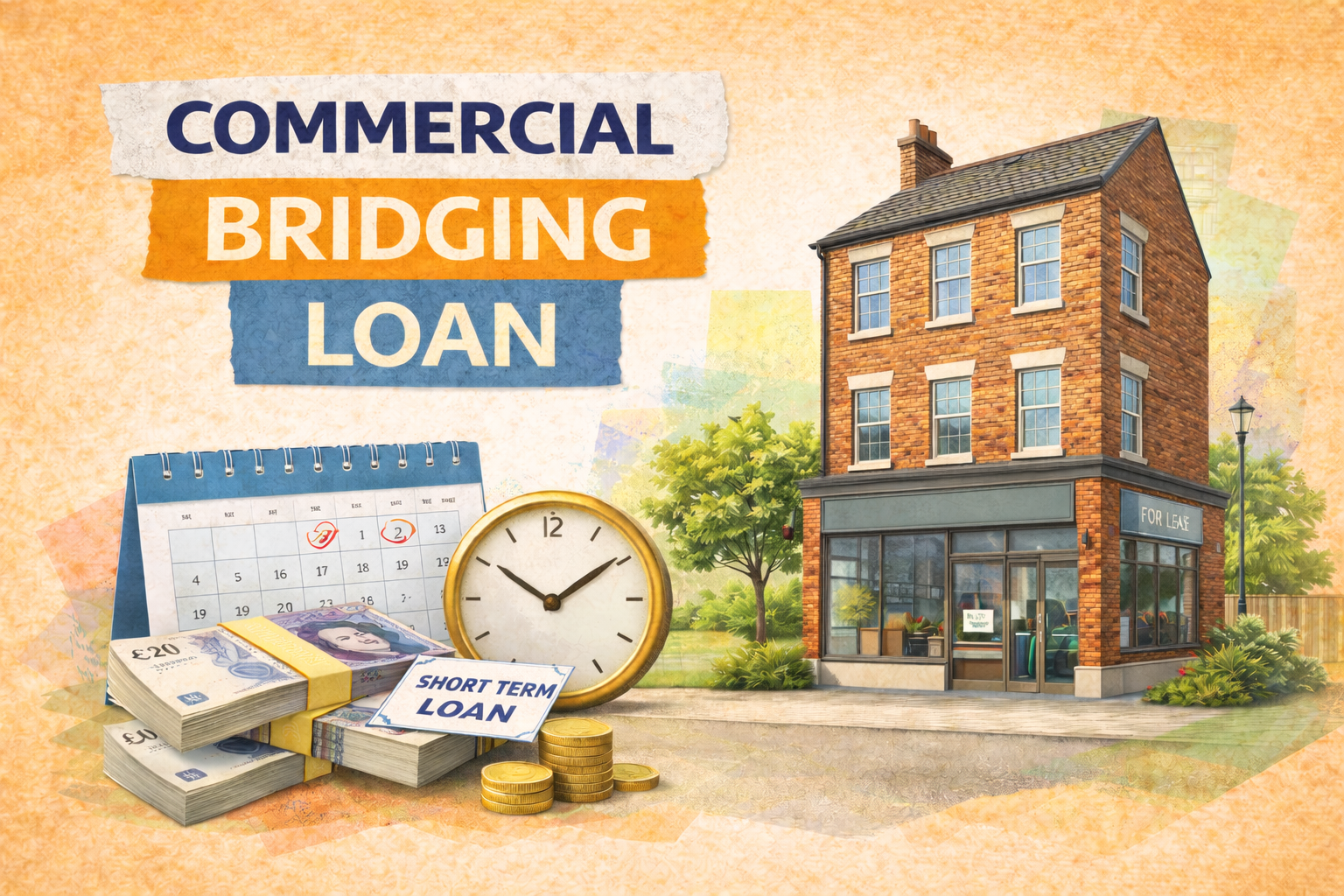

Commercial bridging loans help businesses get quick capital. These loans complete in weeks instead of months that traditional mortgages take. Many businesses use these short-term financing options to grab time-sensitive deals or fix cashflow gaps.
A commercial bridge loan runs between 1-12 months and serves many business needs. You might need it to buy property at auction, develop a site, or handle urgent cash needs. The flexibility of commercial bridging finance beats what traditional lenders can do. A bridging loan for commercial property backs business premises deals and developments. This includes projects like brownfield sites or run-down commercial buildings.
Monthly interest rates range from 0.5% to 2%. This needs careful thought. The speed and convenience make it worth the cost if you need to act fast on a business deal. Our site lets you calculate rates quickly. You can also talk to our experts about your commercial bridging loan needs at 03330 90 60 30.
What is a commercial bridging loan and how does it work?
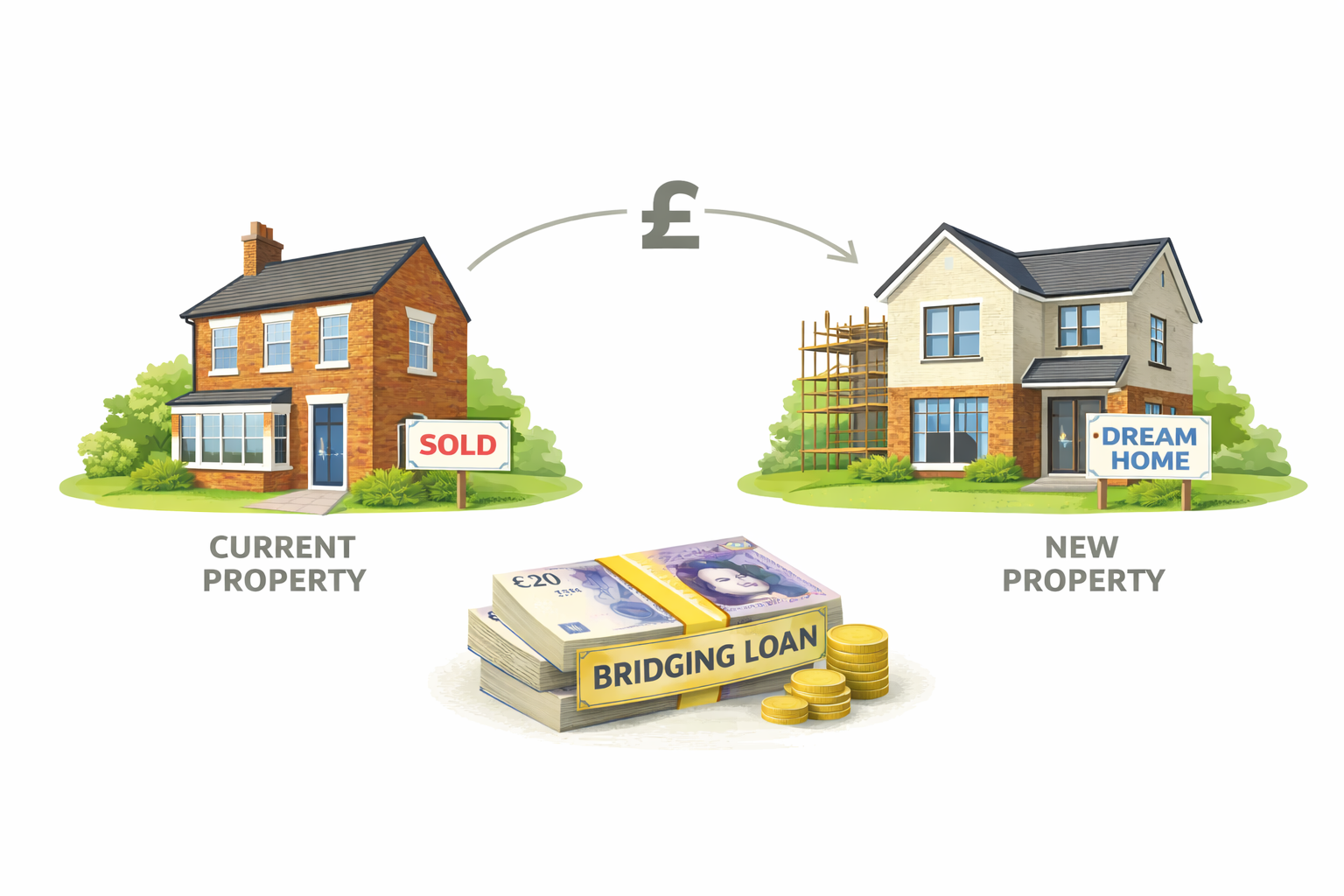
A commercial bridging loan helps businesses get quick access to capital when they need it most. These loans create a bridge between two transactions or financial needs by providing quick funds while you wait for long-term financing.
Definition and purpose of bridging finance
Business owners use commercial bridging finance as a specialised short-term funding option secured against property or valuable assets. What started as a tool for homeowners to buy new properties before selling their existing ones has now become a versatile business financing solution.
Commercial bridge loans help businesses overcome temporary money hurdles. They work best when time matters – like buying property at auction, starting development projects, or making quick business purchases. The main goal remains simple: you get fast access to money when regular financing takes too long.
Businesses that need urgent capital find commercial bridging loans practical. You can use these loans for properties of all types, including:
- Office buildings
- Retail outlets and shops
- Restaurants and pubs
- Warehouses and industrial units
The loans also work for semi-commercial properties that combine living spaces and business areas.
How it differs from traditional loans
The biggest difference between commercial bridging loans and traditional financing comes down to speed and flexibility. Regular commercial mortgages take months to set up, but you can get bridging loans in just 3-4 weeks. Some specialist lenders move even faster with straightforward cases.
The application process looks quite different too:
- Bridging loans: Lenders care more about your property’s value than extensive credit checks. You need minimal paperwork and get quick approval
- Traditional loans: You need a full picture of affordability, detailed business plans, and lots of documentation
Bridging loans come with higher interest rates than traditional financing – usually 0.45% to 1.5% per month. Lenders charge more because they give you quick access and take on more risk with short-term funding.
Repayment works differently too. Traditional loans need monthly payments throughout the term. Commercial bridging loans let you choose rolled-up or retained interest structures. You pay the main amount back at the end of the term.
Typical loan terms and durations
Most commercial bridging loans run between 1 and 12 months. Industry data shows that today’s average bridging loan lasts 12 months. Unregulated commercial loans sometimes stretch to 36 months, especially for big property developments or complex refinancing.
You can borrow anywhere from £10,000 up to £15 million with some lenders. Lenders typically offer 50-75% of the property’s value. The average loan-to-value ratio sits at 53% right now.
These loans come in two main types:
- Open bridging loans: No fixed end date (but usually paid back within 12-18 months)
- Closed bridging loans: Clear end date linked to a specific future event, like selling a property
Want to know if a commercial bridging loan fits your business needs? Get a quick rate calculation on our website or talk to our specialists at 03330 90 60 30. They’ll walk you through all your options.
When and why businesses use commercial bridging loans
Businesses look to commercial bridging finance when they need quick funding solutions that traditional lenders can’t provide. These short-term options help companies act fast on opportunities or bridge temporary financial gaps.
Property purchases and auctions
Buyers at property auctions must complete their purchase within 28 days after winning a bid. Standard commercial mortgages don’t work well here because they take too long. Commercial bridging loans are quick to deliver funds – usually within 7-10 days. This speed lets buyers meet auction deadlines with confidence.
Commercial properties need these loans even more. Legal checks take much longer than residential deals because teams must review leases, tenant agreements, and commercial contracts. Most auction purchases wouldn’t happen without bridging finance.
These loans also let buyers present themselves as cash purchasers. This gives them an edge when dealing with vendors who want to sell fast. Sellers prefer buyers who can complete the deal quickly.
Business acquisitions and expansions
Time matters in company acquisitions. Commercial bridge loans help businesses complete purchases quickly while they wait for long-term financing or investor money. Deals stay secure and competitors can’t swoop in during lengthy financing processes.
These loans support many growth activities:
- Securing new office space before selling existing premises
- Purchasing specialised equipment quickly
- Funding inventory for business growth
- Capitalising on time-sensitive investment opportunities
Bridge loans show proof of funding capability for businesses that follow regulatory rules in acquisitions. This becomes vital when bidding for listed companies in Europe.
Covering short-term cash flow gaps
Cash flow challenges hit even profitable businesses sometimes. Commercial bridging loans offer solutions for:
Seasonal fluctuations – working capital during quiet periods Large contract fulfilment – buying materials for big orders before payment Late payments – managing shortfalls while client payments arrive Tax obligations – paying unexpected tax bills without disrupting operations
Picture a manufacturing business with a £50,000 contract that needs upfront materials in November but won’t get paid until February. A bridging loan could cover material costs so they can take the contract without straining their working capital.
Development and renovation projects
Property developers often use commercial bridging loans to:
- Purchase land while awaiting planning permission
- Fund initial construction costs before securing development finance
- Complete renovations to increase property value before sale
- Convert properties into higher-value assets like HMOs (Houses in Multiple Occupation)
Developers usually exit these loans by selling the property or switching to longer-term lending. Development exit loans help when projects face delays or need more marketing time.
Need advice about which commercial bridging loan fits your business? Get a quick rate calculation on our site or talk to our experts at 03330 90 60 30.
Types of commercial bridging loans available
Commercial bridging loans come in several types. Each type helps with specific financial needs. You’ll make better choices for your business if you know these different options.
Open vs closed bridging loans
The main difference between open and closed bridging loans is about when you pay them back. Closed bridging loans have a set date to repay, which works great if you know exactly when you’ll have the money, like after selling a property. Lenders see these as less risky, so they usually give better interest rates.
Open bridging loans don’t have fixed repayment dates but you need to pay them back within 12 months. These loans give you more flexibility if you’re not sure about your repayment timing. The trade-off is higher interest rates and tougher approval requirements.
First charge vs second charge loans
“First charge” and “second charge” show who gets paid first if you can’t repay or want to refinance the loan.
A first charge loan happens when your property has no other loans against it. The lender gets first claim on the property. These loans usually come with better terms and lower interest rates.
Second charge loans come into play when you borrow more against a property that already has a loan. Lenders charge higher interest rates because they’re second in line for repayment. You’ll need permission from your first charge lender before getting a second charge loan.
Fixed vs variable rate options
Like regular mortgages, commercial bridging loans offer two rate structures:
Fixed rate bridging loans keep the same interest rate throughout. Your business can budget easily because costs stay predictable no matter what happens in the market.
Variable rate options change with market conditions. Your repayments might go up or down. You could save money if rates drop, but planning gets trickier.
Residential vs commercial bridging loans
Commercial bridging finance works for business properties like office blocks, retail outlets, restaurants, warehouses, or industrial units. These loans often have higher interest rates and tougher eligibility criteria because they involve larger amounts.
Residential bridging loans work for properties where people live in at least 40% of the space. Interest rates are usually lower than commercial loans.
Mixed-use properties that combine homes and businesses (like shops with flats above) might qualify for either type of loan. It depends on how much of the property is used for each purpose.
Need help finding the right commercial bridging loan? Get a quick rate calculation on our site or talk to our experts at 03330 90 60 30.
Understanding costs, rates and repayment structures
The cost structure of commercial bridging loans needs careful attention before you submit any application. Interest rates play the most important role among several components that affect the total cost.
Typical commercial bridging loan rates
Commercial bridging finance rates typically range from 0.55% to 0.85% per month for residential bridging loans. Commercial property rates start from 0.65% per month for lower LTVs and can reach 0.85% per month at 70% LTV. Loans over £1 million often come with better rates, starting at 0.49% per month.
Your final rate depends on several factors:
- Property value and type
- Loan-to-value ratio
- Your credit history
- Length of the loan term
- Exit strategy clarity
Repayment options: monthly, rolled-up, retained
You’ll find three main ways to structure interest payments for commercial bridging loans:
Serviced payments let you pay interest each month while the principal stays due at maturity. Businesses with steady cash flow often prefer this option.
Rolled-up interest eliminates monthly payments. The interest adds up monthly and compounds, which leads to a bigger final payment. A £100,000 loan at 1% monthly interest would grow to £12,682.47 over 12 months through compounding.
Retained interest takes out the total expected interest from your loan amount upfront. You’d get £88,000 initially on a £100,000 loan at 1% monthly for 12 months, then repay £100,000 at the end. Early repayment usually earns you a rebate on unused interest.
Fees to consider: arrangement, legal, valuation
The total cost includes more than just interest:
- Arrangement fees (typically 1-2% of the loan amount)
- Legal fees (covering both your solicitor and the lender’s)
- Valuation fees (paid directly to surveyors)
- Administration fees (approximately £145)
- Redemption fees at loan repayment (around £120)
Using a commercial bridging loan calculator
Commercial bridging loan calculators are a great way to get a sense of potential costs. They help estimate your monthly payments and total expenses. These tools let you try different interest rates, terms, and repayment structures, though the final quotes might vary.
You can get a quick rate on our site or call our experts at 03330 90 60 30 to learn about costs for your specific situation.
How to apply and get approved quickly
The speed of your commercial bridging loan approval depends on how well you prepare. Let me walk you through everything you need to know to make your application smooth and successful.
What lenders look for
Your property’s value, location, and marketability are the first things lenders check. While your credit score plays a role, lenders pay more attention to how you plan to exit and what security you offer. New borrowers should show they know the industry. A solid business plan that shows how you’ll pay back the loan will substantially improve your chances of approval.
Documents you’ll need
Here’s what you need to gather before applying:
- Valid photo ID (passport or driving licence)
- Proof of address (recent utility bills)
- Three months of bank statements
- Your property’s details including value and existing mortgages
- Clear documentation of your exit strategy
- Director IDs and shareholder information for SPVs
Role of personal guarantees and collateral
Commercial bridging lenders need a first legal charge on your property and you’ll need a 20-25% deposit. Company borrowers should know that lenders usually ask directors to provide personal guarantees, which means they’re personally responsible if the business can’t pay.
Tips to speed up approval
You’ll get faster approval with good preparation. Pick lawyers who know bridging finance well. Let everyone involved know about your timeline and be quick to provide any information they ask for. A specialist broker who knows which lenders can work with your schedule might be your best option.
Where to find the best commercial bridging loan lenders
Look for lenders who have a track record of completing deals quickly. You can apply directly or work with brokers who can reach multiple lenders at once.
Get a quick rate or speak to an expert at 03330 90 60 30
Need help right now? Get a quick rate on our site or call our team at 03330 90 60 30 to discuss your specific needs.
Conclusion
Commercial bridging loans are a vital financial solution that helps businesses seize time-sensitive opportunities and cover temporary funding gaps. This piece explores how these short-term financing options deliver speed and flexibility that traditional lenders are nowhere near able to match. Standard commercial mortgages might take months to set up. Bridging finance wraps up in weeks, making it a great way to get funding for auction purchases, business acquisitions, and development projects.
The costs of commercial bridging loans need careful thought. Monthly interest rates usually fall between 0.55% and 0.85%. You’ll also need to factor in arrangement fees, legal costs, and valuation expenses. In spite of that, these higher costs often seem small when you weigh them against missed business opportunities due to slow capital access.
Businesses can shape financing around their specific needs through various options. They can choose between open and closed loans, first and second charge options, and different ways to repay. While bridging loans work best short-term, they are a vital part of business growth strategies when used correctly.
Quick approval depends on good preparation. Lenders look at your property’s value and exit strategy more than running extensive credit checks. This makes commercial bridging accessible to more people, especially when you have solid plans but maybe even a less-than-perfect credit history.
Your exit strategy needs thorough assessment before you jump into a commercial bridging loan. Make sure the potential returns make sense against the costs. These loans work best to bridge actual gaps rather than postpone financial problems.
We know the world of commercial bridging finance can feel overwhelming at first. You can get a quick rate calculation on our site or call our experts directly at 03330 90 60 30. Our specialists will walk you through all available options and help determine if a commercial bridging loan fits your business needs.
Key Takeaways
Commercial bridging loans provide essential short-term funding for UK businesses needing rapid capital access, typically completing in 3-4 weeks versus months for traditional financing.
- Speed is the primary advantage: Complete in weeks rather than months, making them ideal for property auctions, business acquisitions, and time-sensitive opportunities where traditional loans move too slowly.
- Expect higher costs but greater flexibility: Interest rates range from 0.55-0.85% monthly, plus arrangement fees, but offer various repayment structures including rolled-up or retained interest options.
- Preparation accelerates approval: Lenders focus on property value and exit strategy over extensive credit checks, so having documents ready and a clear repayment plan speeds up the process significantly.
- Multiple loan types serve different needs: Choose between open/closed terms, first/second charge options, and fixed/variable rates depending on your specific business situation and timeline certainty.
- Exit strategy is crucial: These work best as genuine bridges to permanent financing or asset sales, not as solutions for underlying financial difficulties.
When used strategically, commercial bridging loans can unlock business opportunities that would otherwise be missed due to timing constraints, making the premium