Bad Credit Mortgage Guide: How Your Big Deposit Can Save the Day


A large deposit might be your way into the UK property market even with bad credit.
Your borrowing options are significantly limited with bad credit. Some buyers need deposits of 30% or more, while those with good credit history need just 5%. But a substantial savings account could help you become a homeowner despite your past financial troubles.
Your chances of getting a mortgage with bad credit largely depend on what hurt your score. Lenders see you as high-risk if you’ve missed credit card payments, defaulted on loans, or tried to get credit too often. The good news is your chances get better with a larger deposit – you’ll need 10-20% at least. People with serious problems like bankruptcy or repossession might need to put down 30-40%. You might also need a guarantor to back you up. Parents or older relatives usually step in to promise lenders they’ll cover payments if you can’t.
This piece shows how your credit history shapes your mortgage application. You’ll learn why bigger deposits make such a difference and what steps you can take to get approved despite your credit issues.
What is bad credit and how does it affect mortgages?
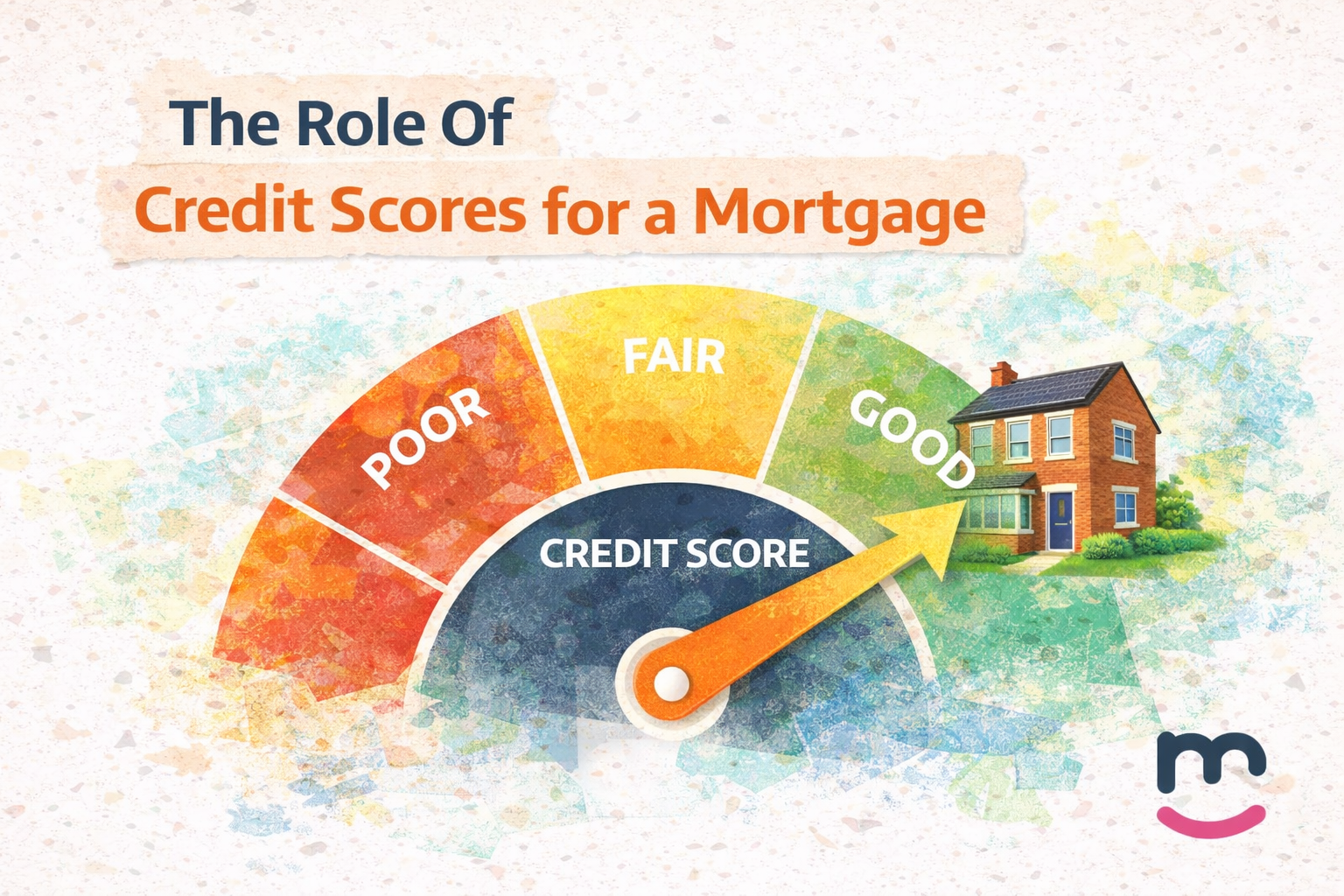
Credit scores play a huge role in your mortgage application process. Ratings range from 0-999 and show your financial standing with lenders. Many people think there’s a standard definition of ‘bad credit’, but each lender sets their own criteria to assess applications.
Common causes of bad credit
Learning what hurts your credit score helps you fix issues before you apply for a mortgage. Your credit score drops because of:
- Missing or late payments on credit cards, utility bills, mobile phone contracts, or other financial agreements
- Defaulted loans, where missed payments have broken the relationship with lenders
- County Court Judgements (CCJs) that show court action for unpaid debts
- High levels of existing debt suggest financial strain
- Lack of credit history makes it hard to prove reliability
- Frequent credit applications that need full credit checks
Bankruptcy, Individual Voluntary Arrangements (IVAs), and repossessions stay on your credit file for up to six years. These create major hurdles to getting mortgage approval.
How lenders view bad credit
Lenders look at your credit history to understand how you handle money. You might still get a mortgage even with credit issues, though the terms will differ.
Your application success doesn’t depend on just one credit score. Lenders look at your full financial picture, including income, monthly spending, and savings, to check if you can afford the loan. Each lender’s criteria differ. You might fail with one but succeed with another.
Bad credit makes lenders see you as a higher risk. This means you’ll face:
- Higher interest rates to cover potential default risk
- Bigger deposit needs, often 20-25% instead of 5-10%
- Fewer choices for good mortgage deals
- Deeper checks into your finances during the application
Why credit history matters
Your credit history shows lenders how you’ve handled money before, which helps predict your future behaviour. Good credit shows you’re reliable and manage money well. Poor credit suggests risk.
Credit history affects both your chances of approval and your loan terms. Lenders focus on how regularly you pay bills, how much credit you use, and how you manage debt overall.
Having no credit history can be just as tricky as bad credit. Lenders can’t see proof of financial responsibility without a history of borrowing, which may lead to higher rates or rejected applications. Many people think avoiding credit helps their mortgage chances – it doesn’t.
Mortgage applications trigger “hard” credit searches. Multiple applications close together can hurt your score more. Finding the right lender first matters most. A mortgage broker can help you do this, especially if you have credit issues.
Mortgageable offers a free Equifax Credit Report as part of its service, with no obligation to proceed. Something worth considering.
How a large deposit changes the game
A big deposit becomes your ace in the hole when you apply for a mortgage with credit issues. Lenders usually ask for a minimum 10% deposit for regular applications, but this number typically goes up to 15% or more if you have credit problems. Knowing how this bigger financial commitment changes your application helps you navigate the mortgage market better.
Lower loan-to-value ratio (LTV)
The loan-to-value ratio shows what percentage of the property’s value you borrow through your mortgage. To name just one example, see how a £50,000 deposit on a £200,000 property gives you a 75% LTV. This mathematical relationship shapes every mortgage lending decision.
A lower LTV means less risk for mortgage providers. Let’s look at this scenario: buying a £200,000 house with a 10% deposit means property values would need to drop by 10% before your lender couldn’t get back the full loan amount if you defaulted. Put a 20% deposit down instead, and the lender could still profit after repossession, having given £224,000 while possibly getting back £250,000.
Here’s how different LTV bands affect your options:
- 95% LTV — highest rates
- 90% LTV — better
- 85% LTV — competitive deals
- 75% LTV — highly competitive
- 60% LTV — premium rates
Even a small move from 90% to 85% LTV can cut your monthly repayments substantially.
Increased lender confidence
Your hefty deposit completely changes your lender’s view of your application. It shows you have “skin in the game”, proving your serious commitment to buying the property.
A bigger deposit creates several benefits for lender confidence:
- Less exposure to market changes
- More equity buffer protecting their investment
- Lower chances of negative equity situations
Better yet, this confidence goes beyond interest rates. Many lenders won’t offer products above 85% LTV, while bigger deposits usually open doors to more lenders who might look at your application.
This expanded lender pool becomes crucial if you have credit issues, as specialist providers feel more comfortable with cases outside their usual policy when backed by a stronger LTV.
Access to better interest rates
The link between deposit size and interest rates couldn’t be clearer. The golden rule stays simple: save more upfront to get a better deal.
A 25% deposit puts you in a sweet spot, as this amount often unlocks much better interest rates. You start looking like a low-risk borrower at this point, which might offset any credit history issues.
A substantial deposit brings more advantages:
- Lower monthly payments thanks to better rates and smaller loans
- Less strain on your finances
- More borrowing power relative to your income
This helps especially if you’re self-employed or have a variable income. Lenders worry less about income changes when they see a larger equity stake.
The math makes sense for people with credit challenges: a bigger deposit gives your mortgage lender more security. This makes your application more likely to succeed and reduces your costs, whatever your credit history might show.

Getting a mortgage with bad credit: What lenders look for
Mortgage lenders look beyond your deposit size and credit history to get a full picture of your finances. You’ll have a better chance of approval if you know exactly what they look at. They want to feel confident you’ll keep up with monthly repayments, and they look at several key factors to make sure.
Income and affordability checks
Lenders pay close attention to whether you can afford repayments now and in the future when they assess your mortgage application. They get into your income and spending through detailed affordability checks. These checks look at your earnings and their sources, since many lenders have specific rules about what counts as acceptable income.
Your debt-to-income ratio is a vital part of their assessment. This number shows your monthly debt payments divided by your gross monthly income. The best mortgage deals usually need this percentage between 20-30%, though some lenders will give good rates with higher ratios. You might need to pay down some debt first if your ratio is above 50%.
Lenders also take a close look at your bank statements to spot spending patterns and any red flags. Online gambling can raise concerns, even if you’re only spending small amounts.
Credit report accuracy
A single error on your credit report could seriously impact your chances of getting a mortgage, leading to higher interest rates or rejection. About one in three people who check their reports find mistakes.
Common credit report mistakes include:
- Wrong personal details (8% of people spot errors here)
- Debts that don’t exist (almost 1 in 10 people find these)
- Accounts showing up multiple times
- Closed accounts listed as open
- Payment mistakes that never happened
It’s smart to get reports from all three major UK credit reference agencies—Experian, Equifax, and TransUnion—since they might have different information. If you spot any mistakes, file a Notice of Correction with the agency and back up your claim with evidence.
Stability of employment and residence
Your job and housing stability show lenders they can count on you. They look at how long you’ve been in your current job, your work history, and whether your income stays steady.
You’ll need to explain any gaps in your employment. Lenders understand that things like redundancy or parental leave happen, but they need to know these gaps are in the past. Starting a new job doesn’t rule you out if you have a solid work history.
A stable address matters too. Being on the electoral roll at your address for several years looks good. In stark comparison to this, moving around too much might hurt your application.
Lenders will check everything by looking at your bank statements, talking to your employer, and reviewing tax returns if you’re self-employed.
Steps to improve your chances before applying
Steps to boost your mortgage application can really increase your chances of approval, even with a spotty credit history. Good preparation before you submit your application helps you tackle problems that could lead to rejection.
Check and fix your credit report
Your first step is to get reports from all three major UK credit reference agencies—Experian, Equifax, and TransUnion. Each might have different information about you. Look at every detail carefully and find any mistakes that could hurt your application. You might find wrong addresses on old accounts, unfair defaults, or outdated financial connections to ex-partners.
If you find mistakes, reach out to the credit reference agency right away to challenge them. They should complete their investigation within 28 days. During this time, they’ll mark the item you’re questioning as disputed. When you fix these errors well before your mortgage application, lenders will see your true credit history.
Reduce existing debts
Your chances of mortgage approval will improve a lot if you lower your overall debt before applying. Lenders look closely at how much debt you have compared to your income. Lower percentages will make your application stronger. Put your energy into paying off current debts and stay away from new ones.
Look at how you spend your money and cut costs where you can as part of getting ready. Keep your monthly spending steady and try to have money left when the month ends. Lenders like to see that you manage your money well.
Avoid new credit applications
Don’t apply for any type of credit at least three months before your mortgage application. Many experts say six months is even safer. Each time you apply for credit, it triggers searches that temporarily drop your score.
Keep in mind that payday loans are bad news. Some lenders won’t give mortgages to anyone who’s used these loans in the past year. Also, don’t open new accounts between getting your mortgage offer and finishing the purchase. This could change how much you can borrow.
Add a note of explanation to your file
A Notice of Correction on your credit file can help if you had good reasons for past money troubles. This 200-word statement lets you explain what happened, like losing your job, going through a breakup, or having health problems.
You can add this explanation by contacting each credit reference agency with your statement. While it won’t change your credit score, it helps lenders understand what caused the problems. The application might take a bit longer because someone needs to review it manually, but it gives important details that computers might miss.
Related guides:

When a big deposit isn’t enough: Other options to consider
A big deposit might not help you get a mortgage if you have bad credit. But don’t worry – you still have several ways to become a homeowner even after multiple rejections.
Using a guarantor
A guarantor mortgage lets a family member (usually a parent) promise to pay if you can’t keep up with payments. This adds extra security on top of your deposit. Your guarantor needs enough income or property equity to back your application. Lenders want guarantors to get legal advice first since their home could be at risk if you miss payments.
Applying with a specialist lender
You’ll find many specialist lenders beyond regular banks that help people with credit problems. These lenders look at applications personally instead of just using computer scoring. They look at how bad your credit problems were and when they happened, along with your current money situation.
The catch is that specialist lenders charge more interest because they’re taking a bigger risk. Your monthly payments will cost more than regular mortgages.
Considering shared ownership or Help to Buy
Shared ownership lets you buy part of a property (usually 25-75%) and pay rent on the rest. You need a smaller mortgage this way, which makes approval easier, even with credit problems.
The Help to Buy equity loan scheme offers government loans up to 20% of the property value (40% in London). You only need a 5% deposit. Lenders might say yes more easily since you’re borrowing less money.
These options can help you get started with homeownership. You can improve your credit score while owning property at the same time.
Conclusion
Bad credit makes getting a mortgage challenging, but a substantial deposit can transform your chances completely. A larger financial commitment reduces the loan-to-value ratio and makes you less risky to potential lenders. This reduced risk often leads to better interest rates and higher approval chances, even with past credit issues.
Your credit history shows your financial behaviour, but you can rewrite this story through careful preparation. A stronger application comes from checking credit reports for errors, paying down existing debts, and avoiding new credit applications. On top of that, it helps to explain legitimate reasons for past financial difficulties through a Notice of Correction that provides context to lenders.
Mortgage providers look beyond your deposit and credit score. They review your income stability, employment history, and overall affordability before making decisions. You can strengthen your position substantially by keeping stable employment and residence while showing responsible money management.
Alternative options exist when traditional mortgage paths stay closed despite your best efforts and substantial deposit. Your path to homeownership might open through guarantor arrangements, specialist lenders, or government schemes like shared ownership while you rebuild your financial reputation.
Bad credit won’t necessarily end your property ownership dreams. With careful planning, sufficient savings, and the right approach, you can overcome past financial difficulties and secure your spot on the property ladder. Your large deposit could be the key that opens the door to your new home.
Key Takeaways
Having bad credit doesn’t eliminate your chances of securing a mortgage, but it does require strategic planning and a larger financial commitment to overcome lender concerns.
• A substantial deposit (20-30% minimum) dramatically improves approval odds by reducing loan-to-value ratios and demonstrating commitment to lenders.
• Check all three UK credit agencies for errors before applying—nearly 1 in 3 people find mistakes that could unfairly damage their prospects.
• Avoid new credit applications for 3-6 months before your mortgage application, as each search temporarily lowers your credit score.
• Specialist lenders and alternative schemes like shared ownership provide viable pathways when traditional mortgages remain out of reach.
• Lenders assess your entire financial picture beyond credit scores, including income stability, employment history, and debt-to-income ratios.
The key to success lies in preparation: addressing credit report errors, reducing existing debts, and demonstrating financial stability can transform your application from risky to acceptable, especially when backed by a significant deposit.