Guarantor Mortgages: Your Complete Guide to Maximum Borrowing Power
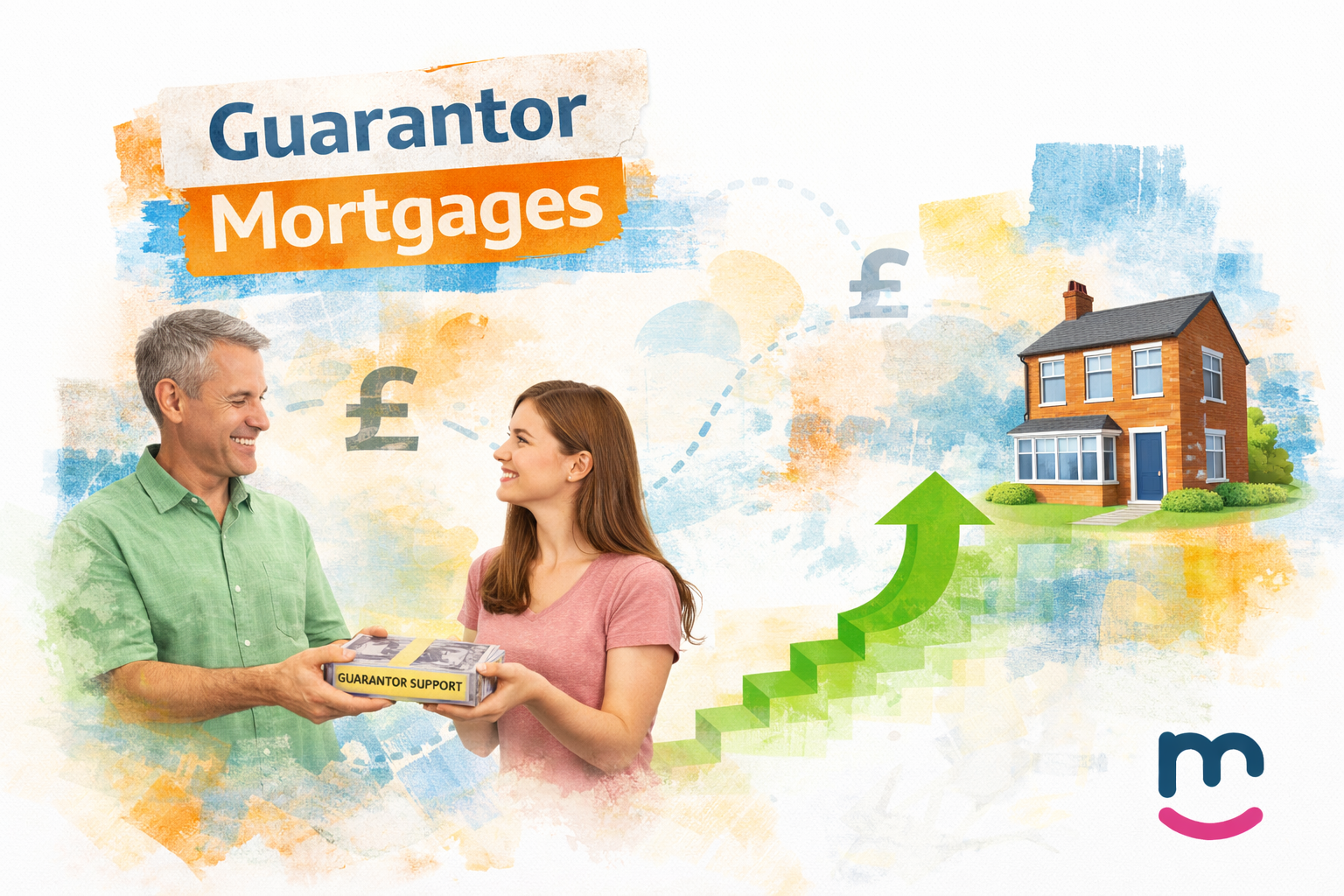

Curious about your borrowing limit with a guarantor mortgage? A guarantor's support could help you borrow between 4.5 and 6 times your annual income. This substantially increases your borrowing power compared to regular mortgage applications.
Standard mortgages often restrict how much you can borrow. A guarantor mortgage changes this dynamic and helps you access higher loan amounts with better terms. Some lenders provide up to 100% of the property value when backed by a guarantor. These deals are harder to find, and you’ll probably need a 5% deposit. Your borrowing capacity depends on your financial health and your guarantor’s situation.
This piece covers everything about UK guarantor mortgages. You’ll learn who qualifies, how these mortgages work, and what options first-time buyers have. We explain what guarantors must earn and ways they can support your application. Ready to move forward? Check rates and estimated payments on our site or call our experts at 03330 90 60 30.
What is a guarantor mortgage and how does it work?
A guarantor mortgage lets someone else (usually a family member) legally promise to pay your mortgage if you can’t. You should learn about how these mortgages work before you take this borrowing path.
Definition and purpose
A guarantor mortgage helps people get a home loan even if they might not qualify by themselves. Lenders reduce their risk by having another person guarantee the loan. Borrowers can get bigger loans or better terms than they would on their own.
These mortgages help overcome common barriers to buying property. Traditional guarantor mortgages are not as popular now. Many lenders offer different options like Joint Borrower Sole Proprietor (JBSP) arrangements instead.
Who typically uses a guarantor mortgage?
First-time buyers make up the largest group of people who need guarantor mortgages. Halifax reports that first-time buyers in 2021 needed deposits of almost £59,000. This high amount leads many future homeowners to look at guarantor options.
Guarantor mortgages help several types of borrowers:
- People who have limited or poor credit history
- Those who don’t earn enough to qualify alone
- Buyers with small or no deposit
- People who have changing or unpredictable income
These loans help buyers who can’t get standard mortgages but have family members ready to support them. Lenders now offer JBSP mortgages with higher loan-to-value ratios. These options help buyers who find it hard to start climbing the property ladder.
How does a guarantor support the loan?
Guarantors can help in different ways based on the mortgage product. They can use their savings or property as security for the loan.
The guarantor’s home becomes collateral if they use property as security. Both properties could be repossessed if the borrower and guarantor stop making payments. Some deals need the guarantor to put their savings (up to 25% of the property’s value) in a special account. This money earns interest until released.
The guarantor doesn’t own the property – their name stays off the title deeds. Their responsibility usually ends at a set point. This could be after the borrower builds enough equity or shows they can make regular payments.
Some guarantor deals let borrowers get up to 100% of the property’s value using the guarantor’s collateral instead of a deposit. Most lenders still want the borrower to put down some deposit though.
Want personal advice about guarantor mortgage options? Check rates and estimated payments on our site now. You can also talk to an expert advisor by calling 03330 90 60 30.
Types of guarantors and how they provide support
Guarantors can support your mortgage application in several ways. Your circumstances and the lender’s offerings will determine which option works best. This knowledge is vital when figuring out how much you can borrow with a guarantor mortgage.
Whole loan vs shortfall guarantor
Two main categories of guarantor arrangements exist based on the support level:
Whole loan guarantors must take responsibility for the entire mortgage amount. Let’s say you’re applying for a £140,000 mortgage but your income only supports £110,000. The guarantor needs to show they can cover the full £140,000. UK lenders commonly prefer this arrangement.
Shortfall guarantors only need to cover the difference between what you can afford and the total mortgage amount. Take that same £140,000 mortgage where you can afford £110,000 – the guarantor would only cover the £30,000 gap. In spite of that, today’s mortgage market rarely offers these arrangements.
Using property as security
Most guarantor mortgages use the guarantor’s property to secure your loan. Here’s what this means:
- The lender puts a legal charge on the guarantor’s property
- Guarantors need to own their property outright or have substantial equity
- Your guarantor’s home faces risk if you default and face repossession
This setup represents a major commitment since the guarantor puts their home up as collateral. More than that, lenders want guarantors to have enough equity to match their guaranteed portion of the loan.
Using savings as security
Some lenders accept savings instead of property equity:
- Guarantors deposit 5-20% of the property’s value in a special account
- The money stays locked for 3-5 years
- Interest builds up during the lock period
- Guarantors get their money back after the fixed term or once you’ve paid enough of the mortgage
Family Springboard mortgages work this way. Guarantors put 10% of the purchase price into a linked savings account. The money comes back with interest after the fixed period if all payments stay on track.
Parent guarantee mortgage explained
Parents make the best guarantors because they often:
- Have good credit histories and stable finances
- Own property with substantial equity or have savings to use as security
- Want to help their children buy property
Parent guarantors must meet standard requirements like good credit, enough income, and UK residency. To name just one example, some lenders require guarantors to be under 75 when the mortgage ends.
Ready to explore your guarantor mortgage options? Check rates and estimated payments on our site now. You can also call 03330 90 60 30 to speak with an expert advisor about your situation.
How much can you borrow with a guarantor?
You need a full picture of your borrowing potential at the time you’re learning about guarantor mortgage options. Your borrowing amount changes with different lenders based on your situation. You can borrow more money with a guarantor than through standard mortgages.
Typical income multiples used by lenders
Most lenders limit standard mortgage borrowing to 4 or 4.5 times your yearly income. A guarantor backing your application can boost this amount. The multiple can reach 5 times your income, maybe even more in special cases.
Several factors shape how much you can borrow:
- Your guarantor’s finances and obligations
- Your income and credit score
- What the lender looks for
- Property value and loan-to-value ratio
Yes, it is true that a guarantor with few financial commitments can help you borrow more than someone with similar income but high mortgage debt.
How much does a guarantor need to earn?
Lenders don’t set a fixed minimum income for guarantors. They care more about knowing how to cover your mortgage payments if you can’t pay.
Many lenders want guarantors to earn at least four to five times the monthly mortgage payment. To name just one example, a £700 monthly mortgage might need your guarantor to earn about £3,150 each month.
Some lenders ask the main borrower to show a yearly income between £15,000 and £25,000. This proves you can handle the simple payments. Other lenders might look mostly at your guarantor’s income, especially when they earn well and have few debts.
Guarantor mortgage calculator: estimate your limit
Online guarantor mortgage calculators give rough estimates but can’t predict real borrowing limits. We used these calculators mostly to multiply combined incomes by standard rates. They miss key factors like:
- How borrower and guarantor incomes work together
- Current financial obligations
- Credit ratings and past records
- Property values and deposits
You’ll get the best results by talking to a mortgage expert. Check rates and estimated payments on our site, or call 03330 90 60 30 to speak with an expert who can guide you.
Can you get a 100% mortgage with a guarantor?
100% mortgages work with guarantor support, but they’re harder to find these days. These mortgages usually come in two forms:
Family deposit mortgages let guarantors use savings as security instead of property. Their money stays in an account until you’ve paid enough of the mortgage. Then they get their savings back with interest.
Family offset mortgages use the guarantor’s savings to lower your loan amount. This can make your term shorter or monthly payments smaller.
Many lenders still want a 5% deposit even with a guarantor. Without a deposit, expect higher interest rates since lenders take on more risk.
Who qualifies and what lenders look for
A guarantor mortgage approval depends on both your situation and your guarantor’s circumstances. You should know the qualification requirements to find realistic borrowing options.
Borrower eligibility criteria
Lenders look at guarantor mortgages as options for borrowers with specific challenges. This type of mortgage might work well if you:
- Have limited or poor credit history
- Can’t save enough for a deposit
- Don’t earn enough to qualify on your own
- Recently moved to the UK with minimal credit history
- Are studying or buying your first home
Your ability to make repayments plays a vital role. Lenders won’t approve loans they think you’ll have trouble paying, even with guarantor support.
Guarantor eligibility and credit checks
Being a guarantor comes with specific requirements. Lenders usually want guarantors who:
- Have close family ties (parent, grandparent, sometimes sibling)
- Own their home with substantial equity
- Show good credit history
- Live in the UK with UK bank accounts
- Maintain separate finances from the borrower
Lenders run credit checks on potential guarantors through ‘soft searches‘ that won’t hurt their credit score. These checks become visible only if the guarantor fails to meet their obligations later.
What it means for guarantor’s borrowing capacity
The role of guarantor changes future borrowing options. Mortgage lenders look at all financial commitments to calculate affordability, including guarantor responsibilities.
The guarantor’s future mortgage applications will include scenarios where they might need to cover your payments, which reduces their maximum borrowing amount.
Age and income requirements
Both parties face age limits. Lenders typically need:
- Borrowers to be 18 or older
- Guarantors to be at least 21
- Guarantors to finish payments before turning 75
Guarantors must show they earn enough to handle potential mortgage payments plus their existing commitments. Most lenders want guarantors who earn about 4-5 times the monthly mortgage payment.
You can check rates and estimated payments on our site now. Need tailored advice? Call our expert advisors at 03330 90 60 30.
How to get the best deal and expert help
Expert guidance helps you find the perfect guarantor mortgage in a complex lending world. The right help can maximise your borrowing potential, given how specialised these products are.
Why a broker can make a difference
A qualified mortgage broker can boost your chances of getting the best guarantor mortgage. They quickly work out if you need a deposit and the amount you need. On top of that, they spot potential problems before you apply, which helps protect your credit score from rejection risks.
A skilled broker will:
- Look through the whole market for suitable products
- Show you options that match your situation
- Suggest better alternatives when needed
- Direct both you and your guarantor through each step
Alternatives if you don’t have a guarantor
You have many options when a guarantor isn’t available:
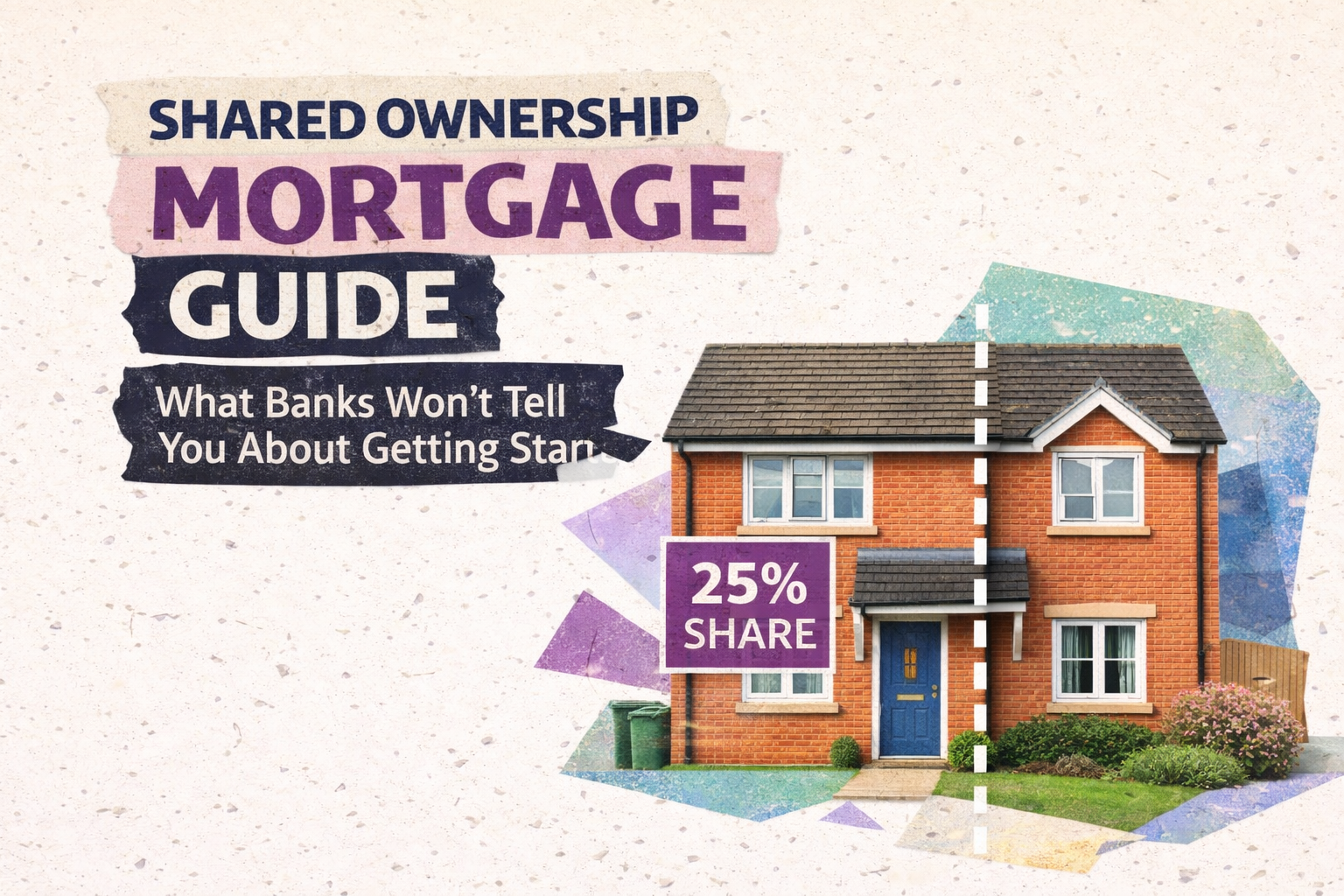
- Shared Ownership – buy a smaller share (25-75%) and pay rent on the rest
- First Homes programme – new builds come with at least 30% off, which works great for key workers
- Joint mortgages with family members – usually with single property charges
- Government-backed 95% mortgages – you need smaller deposits
Quickly check rates and payments on our site
Our online tools give you quick estimates of what you might be able to borrow. You can understand your potential monthly payments before you talk to advisors.
Book a call with an expert: 03330 90 60 30
Our specialists at 03330 90 60 30 give detailed advice about guarantor mortgages. They explain all your options based on your specific situation. A personal consultation helps determine if a guarantor arrangement works for you or if other approaches might be better.
Conclusion
Guarantor mortgages are a great way to get into property ownership if you’re struggling to borrow enough money on your own. These specialised arrangements aren’t as common as regular mortgages, but they can boost your borrowing power by a lot – you might be able to borrow up to 6 times your yearly income. Parents usually step in as guarantors and back your loan with either their property equity or savings.
You and your guarantors need to think over the responsibilities carefully. Your guarantor’s ability to borrow money in the future will be affected, and they could lose their property or savings if you miss your payments. Most lenders still want at least a 5% deposit even with a guarantor, though you might find 100% mortgages in some cases.
If you can’t find a guarantor, you have other options. You could look into Shared Ownership schemes, First Homes programmes, or take out a joint mortgage with family members. The best choice for you will depend on your financial situation and what you want to achieve.
Expert advice makes a real difference with these specialised mortgage products. You can check rates and estimated payments on our site to see what’s possible. Want more tailored guidance? Give our mortgage specialists a call on 03330 90 60 30. Their expert support will help you find the right mortgage setup, whether that’s with a guarantor or something else entirely.
Key Takeaways
Understanding guarantor mortgages can unlock significantly higher borrowing potential and help overcome traditional lending barriers for first-time buyers and those with limited deposits.
- Boost borrowing power dramatically: With a guarantor, you could potentially borrow 4.5-6 times your annual income versus standard 4-4.5 times limits.
- Multiple support options available: Guarantors can use property equity, savings deposits, or family springboard arrangements to secure your mortgage application.
- 100% mortgages remain possible: Some lenders offer full property value loans with guarantor backing, though most still require at least 5% deposit.
- Both parties face significant commitments: Guarantors risk their property or savings, and their future borrowing capacity will be permanently affected by the arrangement.
- Expert guidance is essential: Specialist brokers can navigate complex criteria, identify suitable products, and explore alternatives like Shared Ownership if guarantors aren’t available.
The key to success lies in understanding that guarantor mortgages aren’t just about higher borrowing—they’re about creating sustainable homeownership opportunities whilst protecting all parties involved. Professional advice ensures you choose the right approach for your circumstances.