

What is a Deed of Covenant? A Plain English Guide for 2026


Ever wondered about deed of covenant? You might have come across this term while buying or selling property in the UK but weren't quite sure what it meant.
A deed of covenant works as a legally binding agreement between two parties. Property owners (typically freeholders) and other parties (usually leaseholders) use it to set rules about the property. The document outlines specific obligations that buyers must follow after purchasing the property. Most leases require a signed deed of covenant whenever someone transfers, assigns, or sublets a leasehold property. This document serves as one of the most important pieces that controls how people can use the property.
This piece explains everything about deeds of covenant. You’ll learn about different types, requirements, and proper signing procedures. We’ll also cover what happens if someone breaks the agreement – they could face legal consequences up to 12 years after the breach. First-time buyers and seasoned property owners need to understand these legal agreements before starting their property trip.
What is a Deed of Covenant?
A deed of covenant is a formal legal agreement that binds two parties to specific terms and conditions. This document establishes promises one party makes to another about certain obligations or responsibilities. Property owners should know how this legal instrument can make a big impact on how they manage and enjoy their property.
Definition in plain English
The deed of covenant works as a binding contract between two parties – the “covenantor” who makes promises to the “covenantee”. These aren’t just casual agreements. They’re legally enforceable and usually relate to land or property usage.
The document spells out specific rules you need to follow when occupying a property. You might need to keep certain standards, help pay for shared spaces, or avoid specific activities on the property. The deed can create new obligations and change existing ones tied to the land.
With leasehold properties, the deed sets up the relationship between the freeholder (who owns the property outright) and the leaseholder (who owns an interest in the property for a set time). So the document controls how people can use and maintain the property throughout the lease.
What is a deed of covenant when buying a house?
When you buy property, especially leasehold properties, a deed of covenant will give a new owner all the responsibilities the former owner had. This legal requirement means you step into the previous owner’s position for any promises attached to the property.
The deed serves a vital role in several property scenarios:
- For leasehold properties: It sets your obligations to the freeholder, often covering service charges, ground rent, and maintenance responsibilities
- For freehold properties on estates: You might need to contribute toward communal area upkeep or follow certain property standards
- For properties with shared facilities: It could spell out your duties for maintaining shared walls, driveways, or other common elements
Many leases state that you must sign a deed of covenant to transfer, assign, or sublet a leasehold property. If you don’t sign, you could breach your contract. The freeholder might refuse to accept service charges or ground rent payments, which leads to debt and possible financial penalties.
Why it matters in property transactions
You need to understand deeds of covenant for several important reasons. These documents affect:
- Legal compliance – You can avoid breaches that might lead to enforcement actions by knowing your obligations
- Property value – These covenants can raise or lower property worth based on their nature
- Future sales – Your property’s future transactions could be affected since covenants often pass to new owners
You should check for existing covenants registered on the title at the Land Registry before buying any property. The legal language might look complex, but your conveyancing solicitor can identify and explain your specific obligations.
Breaking covenant terms could bring serious consequences within 12 years from the breach date, as allowed under the Limitation Act 1980. You might face injunctions, damage claims, or in worst cases, property forfeiture.
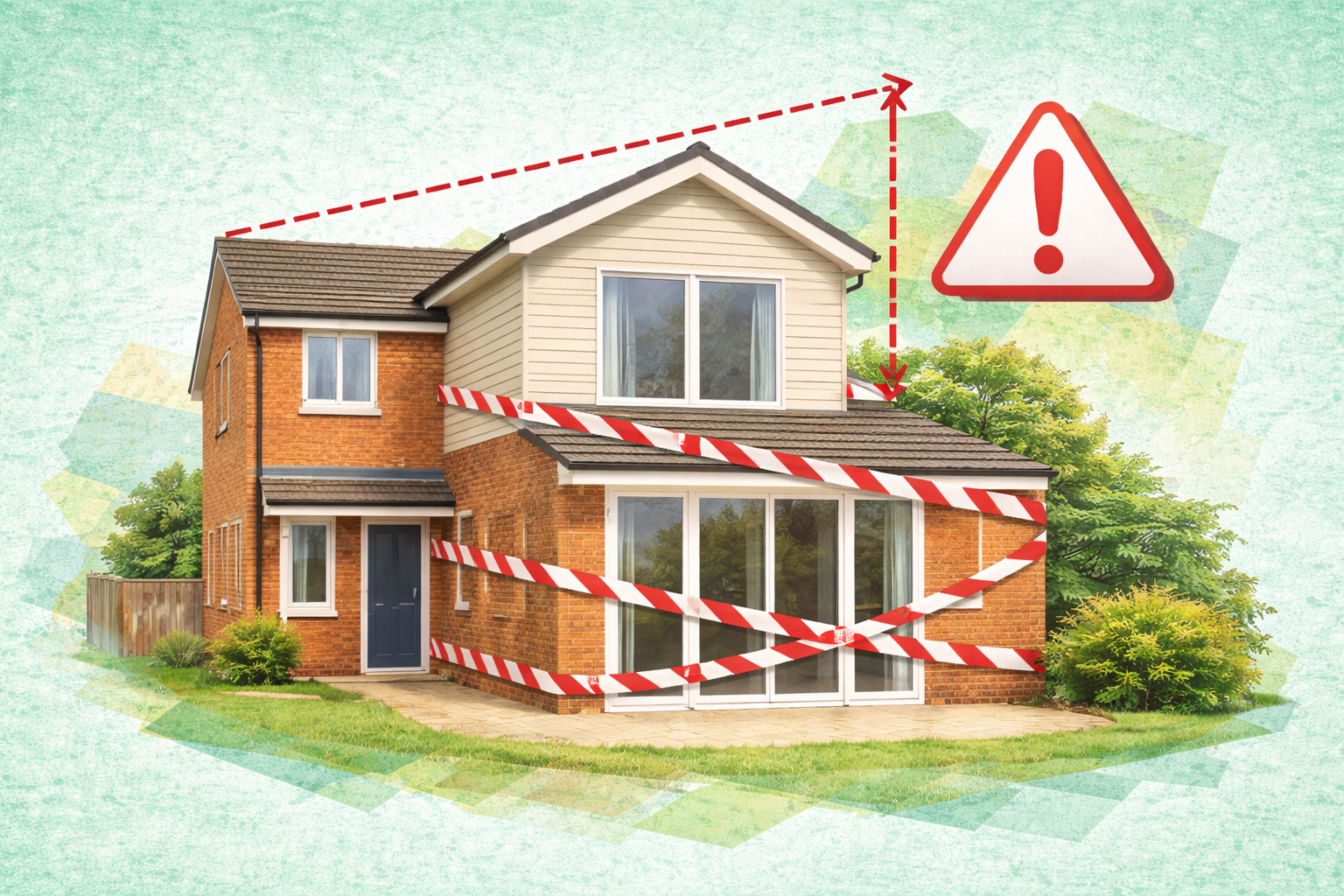
Types of Covenants Explained
Anyone dealing with property transactions should know the different types of covenants. These covenants come in two main categories that have their own legal implications and rules about enforcement.
Restrictive covenants (what not to do)
Restrictive covenants (also called negative covenants) are promises not to do something with land or property. These rules help preserve an area’s character and protect property values. They “run with the land,” which means they bind all future owners, not just the original one.
The legal staying power of restrictive covenants makes them stand out. Old covenants from centuries ago can still work today if they’re properly registered with the Land Registry.
You’ll spot these covenants by words like “not,” “never,” or “no.” They might say:
- No business activities allowed in the house
- No extensions above a certain height
- No structural changes without permission
- No non-domestic animals (chickens, pigs, etc.)
- No blocking rights of way
- No causing nuisance to other residents
Positive covenants (what you must do)
Positive covenants work differently. They require landowners or leaseholders to take specific actions, often tied to financial commitments. These might be maintaining shared facilities or paying for communal expenses.
The biggest difference between these two types shows up when property changes hands. Positive covenants don’t automatically bind new owners – they stick to the original parties who created them.
This creates some tricky legal situations. New owners must take extra steps to keep positive covenants working. This usually happens through an indemnity chain or by creating covenants that must be renewed, backed by property title restrictions.
Here’s what positive covenants usually cover:
- Ground rent and service charge payments
- Shared driveway or boundary wall maintenance
- Contributions to shared structure repairs like roofs
- Property upkeep and condition
- Fence building and maintenance
Deed of covenant example for each type
A restrictive covenant deed might read: “The Covenantor hereby covenants with the Covenantee not to build any extensions above single-storey height on the Property, so that neighbouring properties may maintain their existing views.” This binds all future owners without extra paperwork.
A positive covenant might say: “The Covenantor hereby covenants with the Covenantee to maintain the shared driveway marked on Plan A in good repair and to contribute 50% of the costs of any necessary repairs or maintenance.” But new owners won’t automatically have to follow this unless specific legal steps are taken.
Each property sale needs the seller to get a new direct covenant from the buyer to keep positive covenants working. The property title usually has a restriction that stops new ownership registration until someone confirms the covenant requirements are met.
Breaking covenants can lead to serious problems like legal action, injunctions, damages, or even losing your property. A full review of existing covenants with your solicitor before buying property will help you avoid disputes and surprise obligations.
When is a Deed of Covenant Required?
People often ask about the right time to get a deed of covenant during property transactions. The timing and circumstances change by a lot based on the property type and specific situation.
Deed of covenant before exchange
The timing of your property purchase really matters. You need to sort out the deed of covenant early in the conveyancing process if your transaction requires one. Your solicitor should spot this requirement during their original review of the property’s legal documents.
The seller’s solicitors usually give a draught deed of covenant to the buyer’s solicitors to review and approve. This happens before contracts change hands, as you might need the signed document to move forward with the transaction.
You should know that signing a deed of covenant too early can lock you into binding obligations. You might want to hold off on signing until you’re sure about buying the property.
Leasehold vs freehold scenarios
In stark comparison to this common belief, deeds of covenant aren’t just for leasehold properties, especially when you have leasehold transactions.
For leasehold properties:
- Most leases clearly state that a signed deed of covenant is mandatory when there’s any transfer, assignment, or underletting
- This document creates a direct contractual relationship between the new leaseholder and the landlord/managing agents
- Managing agents might refuse your service charge or ground rent payments without it
For freehold properties:
- Many people think deeds of covenant don’t apply to freehold purchases, but that’s not always true
- Your freehold house might need one if it’s part of a private estate with shared facilities
- Properties sharing private drainage systems with neighbours often need them
- Developments sharing non-adopted roads with the council usually need deeds of covenant
The sort of thing i love about older leases is that they might use different mechanisms instead of a deed of covenant. It also makes each property’s requirements unique.
Estate developments and shared spaces
Deeds of covenant have become more common for both leasehold and freehold properties because of the rise in managed estates. This reflects the need to maintain shared areas and services.
Estate developments with shared areas often include both leasehold and freehold properties. Owners must help pay for maintenance through service charges to a management company. The deed of covenant will give a way to pass this obligation to new owners.
These deeds serve a crucial purpose for managed estates with freehold properties. Estate management companies don’t deal very well with recovering management charges from new owners without them.
Most Transfer deeds include a title restriction to prevent this issue. This should stop new owners from registering their interest without completing the required deed of covenant. We have a long way to go, but we can build on this progress as new owners sometimes register without completing one. This breaks the chain of positive covenants and makes enforcement difficult.
Your conveyancer ended up with the job of checking if you need a deed of covenant, and they should confirm this during the conveyancing process.

Legal Impact and What Happens if You Breach It
Breaking a deed of covenant can unleash a wave of legal problems. Your property ownership rights, finances, and future property deals face serious risks when you violate these binding agreements.
Enforceability and legal standing
Several factors determine if courts can enforce a covenant. The original covenantee or their successors in title must have legal standing to enforce it. Restrictive covenants automatically pass their enforcement rights to new landowners who benefit from the covenant.
Courts also look at whether the covenant still makes sense given changes in the area. These agreements can stay legally binding for decades if their purpose remains valid. Note that unlike many other legal claims, covenants don’t have time limits for enforcement.
Breaches might go unnoticed for years without anyone raising objections. This doesn’t automatically void the covenant. However, it could help defend against claims if the beneficiary knew about previous breaches but didn’t object.
Injunctions, damages, and forfeiture
The aggrieved party has several legal options when you breach a covenant:
- Injunctions – Courts mainly use these orders to stop violations or make you reverse completed work, like tearing down an unauthorised extension
- Damages – You pay financial compensation for losses from the breach
- Specific performance – Courts order you to fulfil your covenant obligations
- Forfeiture of lease – Landlords might try to end your lease and take back the property in extreme leasehold cases
Courts prefer direct remedies for breaches. You might need to completely remove a conservatory if it violates a restrictive covenant.
Courts can use their judgement about remedies. They might award damages instead of an injunction when the harm to the claimant’s rights is minor and money can fix the problem.
How breaches affect property sales
Covenant breaches that aren’t resolved can create major problems during property sales. Buyers’ solicitors check Land Registry records for covenants, and finding breaches often causes:
- Delays while everyone sorts out the issues
- New price negotiations based on potential risks
- Need for restrictive covenant indemnity insurance
Insurance policies become available only after a covenant breach goes unchallenged for at least 12 months. These policies cover legal costs and compensation if someone tries to enforce the covenant later.
Buyers face extra hurdles with properties that have covenant breaches. Their mortgage choices become limited, and they might need specialist mortgages with higher fees and interest rates.
How to Arrange and Sign a Deed of Covenant
A deed of covenant needs careful attention to detail for legal validity and proper execution. The right procedures create enforceable obligations between parties.
Who prepares the deed?
The seller’s solicitor sends a draught deed to the buyer’s solicitor to review during conveyancing. The buyer’s solicitor creates the final deed after resolving questions. The freeholder sometimes provides a standard proforma to keep consistency with other properties. This document becomes part of the leasehold management pack with the LPE1 Law Society Leasehold Form.
What it must include to be valid
A legally binding deed of covenant requires:
- A written agreement
- Signatures from all parties
- An independent witness over 18 (not related or living with either party)
- Delivery to the other party
- Proper dating
The document has:
- Property details (address, postcode, Land Registry title numbers)
- Background information
- Full names and addresses of both parties
- Clear definitions of potentially ambiguous terms
- Specific covenant details
- Execution clause and signature area
Typical costs and who pays
Costs vary significantly from £75 to £500 based on complexity. Freeholders often charge administrative fees, and conveyancers add their charges. The buyer usually pays preparation costs and registration fees, though parties can negotiate this. Extra Notice of Transfer and Notice of Charge fees might apply.
How long does a deed of covenant last?
Covenants can last indefinitely without a specified time limit. They remain binding unless:
- Requirements have been met and discharged
- All parties agree to changes or release
- Time makes the covenant obsolete
People often disregard older covenants instead of formally discharging them once they serve no practical purpose.
Conclusion
A solid grasp of covenant deeds is vital for anyone buying or selling property in the UK. This piece explains these legal agreements that create specific obligations and responsibilities for property owners.
Deeds of covenant show up in both leasehold and freehold properties, but they’re more common in leaseholds. The difference between restrictive covenants that prohibit certain actions and positive covenants that require specific actions affects how these obligations pass to new property owners by a lot.
When transferring property, most leases require you to sign a deed of covenant. This isn’t optional – you must comply. These legally binding agreements carry serious risks. You could face injunctions, damages, or even lose your lease within the 12-year limitation period if you don’t follow them.
Your solicitor becomes a vital partner in this process. They spot covenant requirements early in your property buying experience and help you prepare, sign, and witness documents properly. Buyers usually cover the costs, though parties can negotiate this.
Note that covenants can last forever unless they include specific time limits. This makes them a permanent part of property ownership and management. You should examine existing covenants carefully before buying property to avoid surprises and potential conflicts later.
While covenant deeds might look complicated at first, they serve clear purposes. They help maintain property standards, ensure everyone contributes to shared facilities, and keep the neighbourhood’s character intact. This knowledge helps you approach property ownership with confidence and understand your rights and responsibilities under these binding agreements.
Key Takeaways
A deed of covenant is a legally binding agreement that establishes specific property-related obligations between parties, most commonly required in leasehold transactions but also applicable to freehold properties on managed estates.
- A deed of covenant creates enforceable promises between property owners, typically requiring new buyers to assume previous owners’ obligations regarding maintenance, service charges, and property usage restrictions.
- Restrictive covenants prohibit certain actions and automatically bind future owners, whilst positive covenants require specific actions but need additional legal mechanisms to remain enforceable across ownership changes.
- Most leases mandate signing a deed of covenant upon property transfer, with failure to comply potentially resulting in refused payments, accumulated debt, and legal consequences within 12 years.
- Breaching covenant terms can lead to serious repercussions including court injunctions, financial damages, or even lease forfeiture, making thorough review with your solicitor essential before purchase.
- Your solicitor typically handles preparation and execution, with costs ranging from £75-£500 usually paid by the buyer, and properly executed deeds can last indefinitely unless formally discharged.
Understanding these obligations before purchasing protects you from unexpected legal disputes and ensures compliance with property-related responsibilities that may significantly impact your ownership experience and future sale prospects.

